Best Trail Running Shoes 2026: 5 Picks for Every Runner
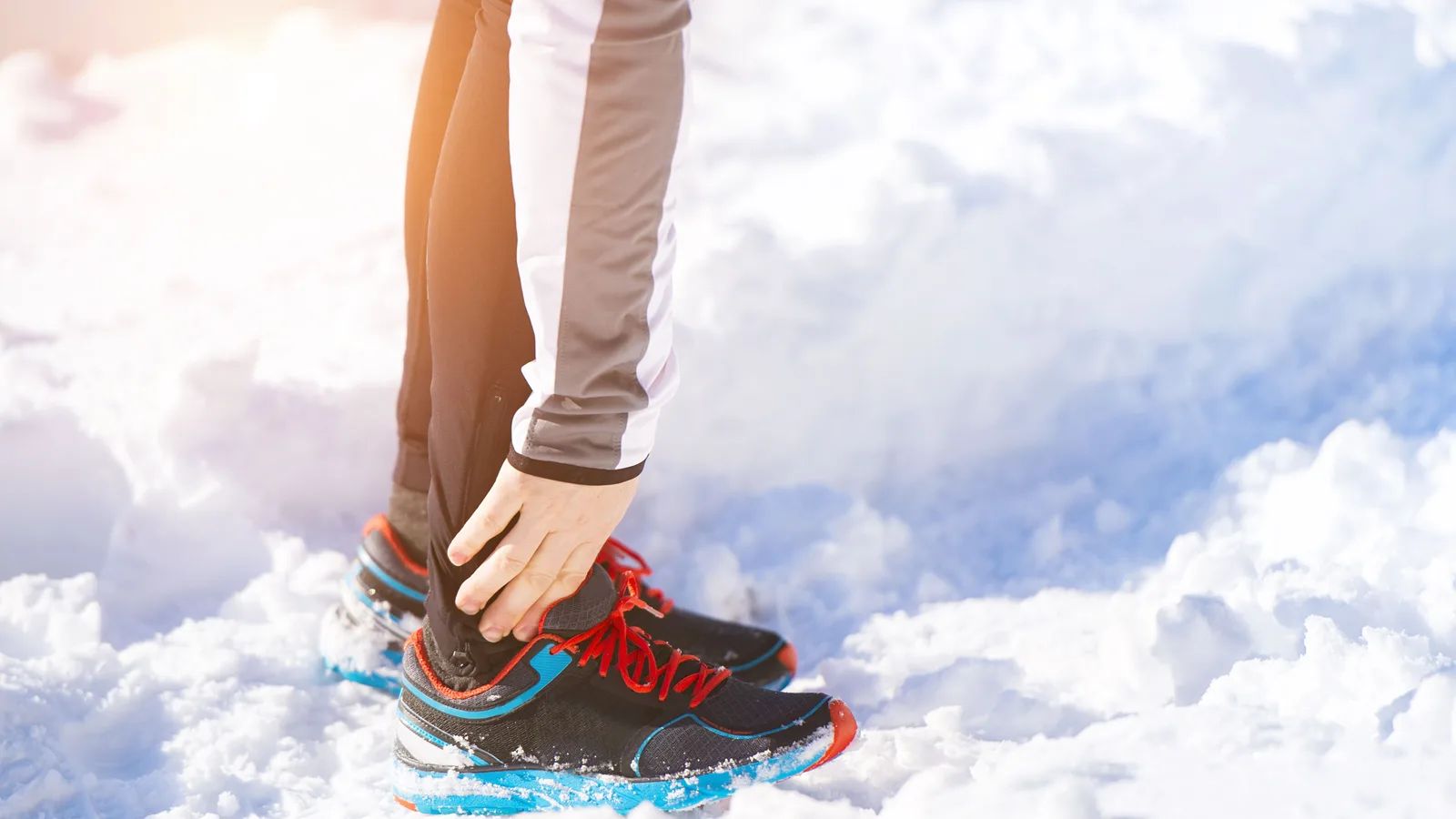
Five trail running shoes we rate for British mud, wet rock and towpath miles, from plush long-distance pairs to aggressive fell-ready studs.
Best trail running shoes 2026: the quick answer
British trail running is rarely one surface. A single loop can take in a boggy moor, wet gritstone, rooty woodland, a chalk ridge and two miles of canal towpath — so the right shoe depends on where you actually run, not on what looks fastest on paper.
- Mixed ground, long days and rocky trails: the Hoka Speedgoat 6 is the pair most runners should start with. Generous cushioning, reliable Vibram grip and a comfortable fit.
- Soft mud, wet grass and winter trail: the Salomon Speedcross 6 is the long-standing choice, with deep chevron lugs that clear and bite.
- Fell, bog and steep wet ground: the Inov-8 Mudclaw 300 is a specialist studded shoe built for exactly that, and it is superb at it.
- One pair to do everything: the Brooks Cascadia 17 is balanced, protected and durable rather than exciting.
- Wide feet or a flat, natural ride: the Altra Lone Peak 8 has a roomy toe box and zero drop, and rewards a gradual build-up.
If you only read one line: choose the shoe for the worst surface you meet regularly, not the best one.
How the five compare side by side
The tables below split the five by the ground they are built for: the cushioned, mixed-terrain shoes first, then the two mud-and-fell specialists. Cushioning and ground feel are described relative to each other, not as absolute scores.
| What matters | Speedgoat 6 | Cascadia 17 | Lone Peak 8 |
|---|---|---|---|
| Best for | Long days on hardpack, rock and gravel | Everyday mixed trails and towpaths | Wide feet and a flat, natural ride |
| Cushioning | Plush, high stack | Balanced | Moderate |
| Ground feel | Muted — you feel little | Some feedback, still comfortable | The most of the three |
| Outsole rubber | Vibram Megagrip | TrailTack | MaxTrac |
| Foot shape | Standard, with a snugger midfoot | Standard | Very roomy toe box |
| Main weakness | Vague on off-camber ground and in deep mud | Heavier feel, average grip in proper mud | Zero drop takes time to adapt to |
| What matters | Speedcross 6 | Mudclaw 300 |
|---|---|---|
| Best for | Soft mud, wet grass and winter trail | Fell, bog and steep wet ground |
| Cushioning | Firm and close to the ground | Minimal |
| Lugs | Deep chevrons that shed mud | Very deep, aggressive studs |
| Fit | Close and narrow | Close, racing-style |
| Weak spot | Skittish and fast-wearing on rock and road | Unforgiving on hard tracks and forest roads |
The five picks in detail
Each of these is a current, widely available model from a brand with a long track record on British trails. They are not interchangeable: the first three are generalists with different strengths, the last two are specialists bought for a reason.
Hoka Speedgoat 6
Best overall
The Speedgoat is the shoe most people mean when they ask for something that copes with a bit of everything. The thick EVA midsole takes the sting out of stony ground and long descents, a pronounced rocker keeps tired legs turning over, and the Vibram Megagrip outsole holds on wet gritstone and damp roots far better than the rounded profile suggests. It is not the sharpest tool on steep, greasy grass: the lugs are shallow next to a fell shoe and the high stack makes off-camber ground feel vaguer than you might like. The midfoot hold is also snugger than the roomy toe box implies, so try before you buy if you have broad feet.
What we like
- Plenty of cushioning without feeling dead on long descents
- Vibram Megagrip bites on wet rock and roots
- Rocker geometry helps when your legs are spent
- Comfortable from the first run for most runners
What to watch
- Shallow lugs struggle in deep mud and on steep wet grass
- High stack feels vague on off-camber ground
- Midfoot hold is snugger than the toe box suggests
Salomon Speedcross 6
Best for soft mud and wet grass
The Speedcross is the classic British winter shoe: a close, protective upper, a firm ride and a chevron lug pattern that clears mud instead of clogging. The Mud Contagrip rubber is soft enough to grip slimy roots and wet chalk, and the quicklace system lets you cinch everything down when the ground turns. The trade-off is anything hard — on rock slabs, forest roads and tarmac the lugs feel skittish and wear quickly, and the firm midsole is tiring over a very long day. It is also a narrow shoe, so wide-footed runners should look at the Lone Peak or Cascadia instead.
What we like
- Chevron lugs clear mud and hold on wet grass
- Soft Mud Contagrip rubber grips roots and slick rock
- Quicklace makes mid-run adjustment easy
- Protective upper shrugs off heather and gorse
What to watch
- Harsh and noisy on road, gravel and rock slabs
- Soft rubber wears quickly on abrasive ground
- Narrow fit rules out broad feet
Inov-8 Mudclaw 300
Best for fell and boggy ground
A fell shoe designed for exactly the ground that ruins most trail shoes: peat, tussocky grass and steep wet rock. The studs are the most aggressive here, the shoe sits low so you can feel where your foot is landing, and the close fit stops it rolling on rough descents. It is unashamedly a specialist. There is very little cushioning for long approaches, the ride is unforgiving on hard tracks, and the snug racing fit will not suit everyone. Buy it if fell and bog are your regular terrain; do not buy it as an all-rounder.
What we like
- The most secure grip here on wet grass, peat and mud
- Low to the ground, so foot placement feels precise
- Light and close-fitting on rough descents
- Built for British fell conditions rather than dry alpine trail
What to watch
- Minimal cushioning on long or stony approaches
- Punishing on hard tracks and forest roads
- Snug racing fit; try a half size up if in doubt
Brooks Cascadia 17
Best do-it-all everyday trail shoe
The Cascadia suits runners who cover a bit of everything: towpaths, woodland singletrack, gravel and the occasional boggy field. Brooks' DNA Loft cushioning is balanced rather than plush, TrailTack rubber grips wet roots and rock reasonably well, and a ballistic rock shield takes the edge off stony ground. It is neither the lightest nor the most exciting shoe here, and its medium lugs are a deliberate compromise — good enough everywhere, best nowhere. In return you get a shoe that lasts, fits a wide range of feet and works as your only pair.
What we like
- Balanced cushioning that stays comfortable on long runs
- Rock shield protects the sole on stony ground
- Durable build that copes with road sections
- Secure, predictable fit for most foot shapes
What to watch
- Unexciting, slightly dead feel underfoot
- Medium lugs are a compromise in real mud
- Feels heavier than the specialists when climbing
Altra Lone Peak 8
Best for wide feet and zero drop
The Lone Peak is zero drop with Altra's FootShape toe box, so toes can splay and the foot works more naturally. For anyone whose feet feel crushed by conventional running shoes, that is a revelation; for anyone used to a 10 mm drop it is a shock. MaxTrac rubber grips dry rock and hardpack well, the upper drains and dries quickly, and there is enough cushioning for long days on softer ground without losing feel. The flat platform loads the calves and Achilles, and on wet grass it is less sure-footed than the studded shoes above — build mileage up slowly.
What we like
- Genuinely roomy toe box for wide or bunioned feet
- Quick-draining upper suits wet British days
- Good grip on dry rock, hardpack and gravel
- Natural, stable ride once you are adapted
What to watch
- Zero drop needs weeks of adaptation
- Less bite than studded shoes in mud and on wet grass
- Thin upper offers less protection from rocks and scrub
How to choose trail running shoes
Ignore the marketing categories and work through the ground you run on, then the fit.
- Lugs and rubber matter more than anything. Deep, soft lugs are for soft ground; shallow, harder-wearing lugs are for rock, gravel and towpath. A soft sticky compound grips wet rock beautifully and disappears on abrasive surfaces.
- Cushioning is a trade-off, not a ranking. A plush shoe protects you on long days and stony descents; a low, firm shoe tells you what the ground is doing underfoot. Fell runners usually want the latter.
- Protection: a rock plate or firmer midsole saves your soles on the Welsh hills and the Lakes, and matters far less on soft peat.
- Heel-to-toe drop: lower drop puts more load on the calf and Achilles; higher drop is more forgiving downhill. Change gradually rather than overnight.
- Fit beats spec sheets. Your heel must stay locked on descents and your toes must not jam. Try shoes on late in the day, in the socks you run in.
5.0 / 5
Outsole grip on wet rock and roots
The single biggest difference between shoes in a British winter.
5.0 / 5
Fit and toe box room
No amount of grip helps if your toes are jammed on every descent.
4.5 / 5
Underfoot protection
Rock plates and firmer midsoles save your soles on stony ground.
4.0 / 5
Cushioning for long days
Matters more the longer and rockier your runs; almost irrelevant for short fell races.
4.0 / 5
Drainage and drying time
Wet feet are the norm here; quick-draining mesh usually beats a waterproof liner on mild days.
3.0 / 5
Weight
Light shoes feel quick uphill, but a little weight buys protection and durability.
Fit, sizing and looking after them
Trail shoes are usually bought a little roomier than road shoes: feet swell over a couple of hours and thicker winter socks take up space. Many runners go half a size up, though brands differ sharply — Salomon runs narrow, Altra runs roomy, Brooks sits in the middle. Try them on late in the day if you can.
Check heel hold before anything else. If your heel lifts on a steep descent, experiment with a runner's loop in the lacing or try a half size down. A shoe that slips will give you blisters long before the outsole wears out.
After a wet run, rinse the mud off, pull the insoles out and stuff the shoes with newspaper, then let them dry at room temperature. Never put them on a radiator or in a tumble dryer — heat softens the adhesives and shrinks the upper. Soft sticky rubber wears noticeably faster on tarmac, so save the studded shoes for the ground they were made for and walk the road sections in something else where you can.
Our verdict
Common questions about trail running shoes
Should I size up in trail running shoes?
Often, yes — half a size up from your road shoes is common, because feet swell over a long run and winter socks are thicker. But fit varies so much between brands that trying them on late in the day matters more than any rule.
How are trail shoes different from road shoes?
Trail shoes have deeper lugs, a more protective midsole (sometimes with a rock plate), a more secure upper and rubber compounds tuned for wet natural surfaces. Road shoes use harder, smoother rubber that lasts longer on tarmac but offers little bite on grass or mud.
Can I use trail running shoes for walking and hiking?
Yes — many hillwalkers and fastpackers use them, and they are ideal for light, fast days on paths. If you are carrying a heavy pack over rough ground, a stiffer walking shoe or boot will support your feet better over a full day.
How long should a pair of trail shoes last?
It depends on the surface. Soft sticky rubber on rock and road wears fastest, while harder compounds on soft ground last far longer. Replace them when the lugs are visibly rounded off and the midsole feels flat rather than springy.
What is a rock plate and do I need one?
A thin, stiff layer under the forefoot that spreads the pressure from sharp stones. It is genuinely useful on rocky ground such as the Lakes or Snowdonia, and largely unnecessary on soft peat, mud and grassy trails.