Best Hiking Boots 2026: 5 Picks for UK Trails
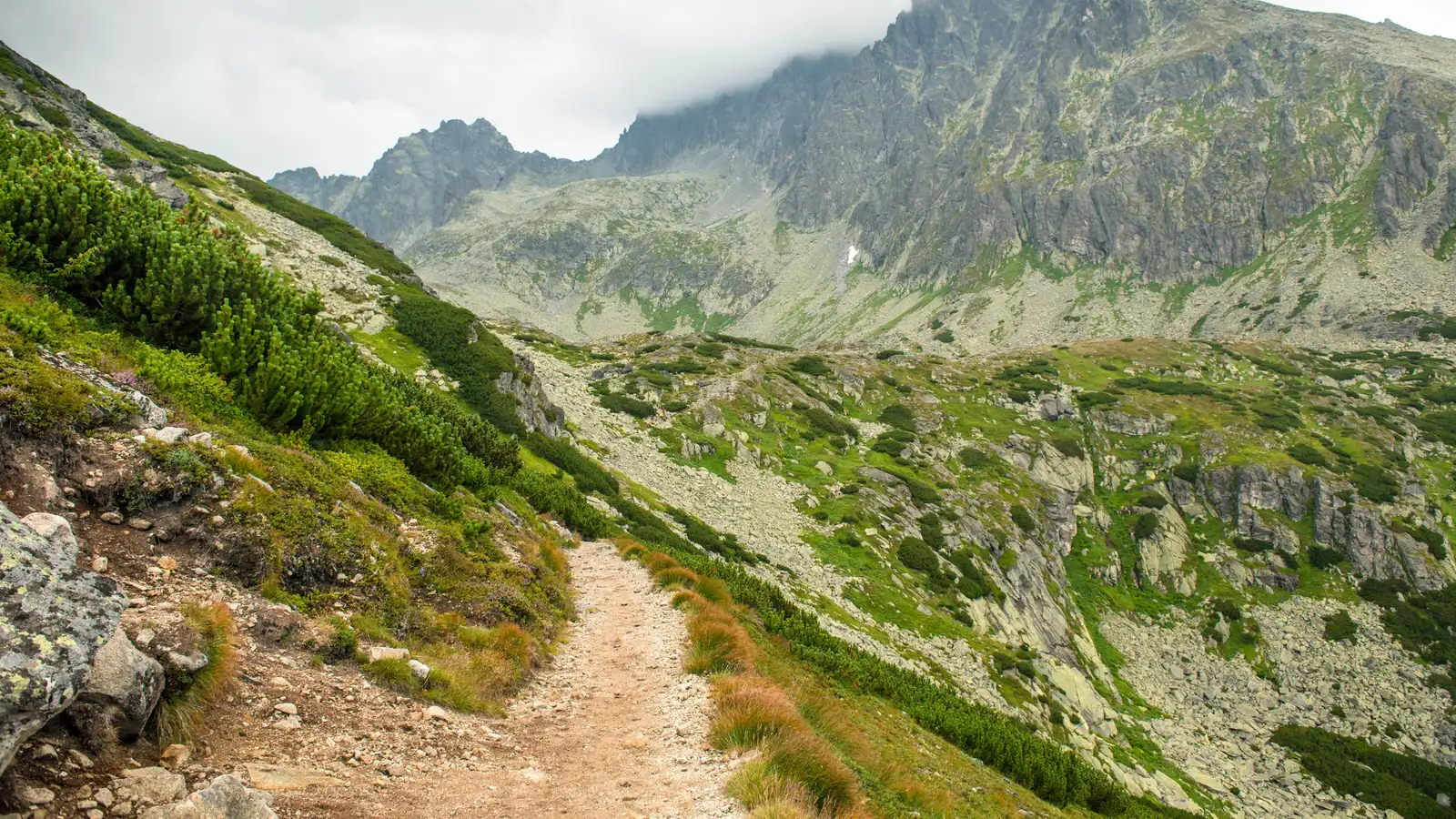
From the Salomon Quest 4 GTX to the Berghaus Explorer Trek GTX, here are five hiking boots for UK hills, wet weather and long days, plus fit advice.
The quick answer: which hiking boot suits you?
UK hiking boots have to deal with wet grass, rocky fell paths, boggy moorland and the occasional stretch of tarmac. The right pair depends less on the brand and more on where you walk, what you carry and how much support you want. Our five picks cover the main types: a supportive all-rounder, an immediately comfortable synthetic boot, a traditional leather boot, a cushioned long-distance option and a value choice for everyday trails.
- Best overall: Salomon Quest 4 GTX — support and protection for mixed UK terrain.
- Best for instant comfort: Merrell Moab 3 GTX — soft, wide-fitting and easy from day one.
- Best leather boot: Scarpa Terra GTX — durable nubuck leather with a planted feel.
- Best cushioned: Hoka Anacapa 2 Mid GTX — plush underfoot for long days.
- Best value: Berghaus Explorer Trek GTX — a reliable first boot for low-level walks.
How to choose hiking boots for UK conditions
Fit comes first. No membrane or outsole will save a boot that is the wrong shape for your foot. Look for a snug heel, a toe box that lets you wiggle your toes, and enough volume for your instep. If you wear thick socks in winter, try boots with those socks on.
Waterproofing matters, but breathability matters too. A Gore-Tex or similar membrane keeps out rain and puddles, but it can feel warm on a clammy summer climb. Leather boots are tough and supportive; synthetic boots are lighter and dry faster.
Ankle support is a trade-off. A high, stiff cuff helps on rocky ground and with a heavy pack, but it can feel restrictive on easy paths. Lighter boots flex more and are kinder to tired legs on low-level walks.
Sole grip is not just about depth. Lug pattern, rubber compound and the stiffness of the sole all affect how a boot behaves on wet rock, mud and grass. A softer, stickier rubber is good on rock; a harder compound lasts longer on abrasive ground.
5.0 / 5
Fit and heel hold
The most important factor; try before you buy and test with your usual socks.
4.0 / 5
Waterproofing
Essential for wet grass and moorland; Gore-Tex is the benchmark but not the only option.
4.0 / 5
Ankle support
More support for rough ground and heavy packs; less for easy trails.
5.0 / 5
Sole grip on wet rock
A sticky rubber compound and sensible lugs matter more than aggressive styling.
3.0 / 5
Cushioning and weight
Cushioning helps on hard tracks; lighter boots tire your legs less.
The five best hiking boots for 2026
Salomon Quest 4 GTX
Best overall for UK hillwalking
The Quest 4 GTX is the boot to point most people towards for three-season hillwalking in the UK. It has a high, supportive cuff, a Gore-Tex membrane and Salomon's 4D Advanced Chassis, which keeps the boot stable when you are carrying a pack over uneven ground. The lacing runs well down the foot, so you can tune the fit around the instep and heel. It feels precise on rocky descents and confident on wet grass.
Best for Lake District ridges, Snowdonia paths and mixed ground where ankle support matters. It is stiffer than a lightweight boot, so give yourself a few short walks to break it in.
Strengths
- Supportive ankle cuff for rough ground
- Gore-Tex waterproofing
- Precise lacing and secure heel hold
- Good under a heavier day pack
Trade-offs
- Stiff out of the box
- Narrower fit than some UK boots
- Heavier feel than a lightweight synthetic boot
Merrell Moab 3 GTX
Best for comfort straight out of the box
The Moab 3 GTX is the boot to choose if you want to walk out of the shop and up a hill without a breaking-in period. The suede and mesh upper is flexible, the Gore-Tex lining keeps the worst of the weather out, and the Vibram TC5+ outsole has a lug pattern that copes with mud and gravel. It is a popular choice for good reason: it fits a wide range of feet and it is forgiving on long, low-level days.
Best for weekend walkers, canal paths, woodland trails and anyone who values instant comfort. It is not the stiffest boot for sharp rock or heavy packs.
Strengths
- Comfortable from the first walk
- Wide fit and generous toe box
- Gore-Tex lining and Vibram outsole
- Good value for a branded boot
Trade-offs
- Flexes more than a stiff hill boot
- Less support under a heavy pack
- Mesh panels need care on rough ground
Scarpa Terra GTX
Best leather boot for UK weather
The Terra GTX is a traditional leather walking boot that suits British conditions. The nubuck leather upper takes scuffs and wet weather well, the Gore-Tex lining adds a waterproof barrier, and the Vibram sole gives reliable grip on rock and grass. It has a supportive ankle and a planted feel that many walkers prefer to a soft synthetic boot.
Best for three-season hillwalking, damp moorland and rocky tracks. Leather needs a little more care, and the boot will feel stiff until it has softened up.
Strengths
- Durable nubuck leather upper
- Supportive ankle for rough ground
- Gore-Tex waterproof lining
- Classic, planted feel
Trade-offs
- Needs a break-in period
- Heavier than synthetic boots
- Leather requires cleaning and proofing
Hoka Anacapa 2 Mid GTX
Best cushioned for long days
The Anacapa 2 Mid GTX brings Hoka's running-shoe cushioning to a hiking boot. The midsole is soft and forgiving, which makes long days on hard tracks and stone paths feel less punishing. It has a nubuck and mesh upper, a Gore-Tex membrane and a Vibram Megagrip outsole for wet rock and mud.
Best for long-distance paths, towpaths, forest tracks and walkers who want cushioning over stiffness. It is less rigid than a traditional hill boot, so it suits lighter loads and less technical ground.
Strengths
- Plush cushioning underfoot
- Light feel for a mid-cut boot
- Gore-Tex waterproofing
- Vibram Megagrip outsole
Trade-offs
- Less torsional support than a stiff boot
- Softer sole wears faster on rough rock
- Not ideal for heavy packs or scree
Berghaus Explorer Trek GTX
Best value for everyday trails
The Explorer Trek GTX is a long-running UK favourite and a sensible first hiking boot. It has a suede and mesh upper, a Gore-Tex lining and a supportive ankle, with enough grip for muddy paths and grassy slopes. It will not match a technical boot on steep, rocky ground, but it covers low-level walks, country parks and gentle hills well.
Best for beginners, dog walkers and anyone who wants a reliable boot without spending a lot. It is also a good choice if you only walk a few times a month.
Strengths
- Good value for a Gore-Tex boot
- Comfortable for low-level walks
- Supportive enough for gentle hills
- Widely available in UK shops
Trade-offs
- Less technical on steep rock
- Not as durable as a full leather boot
- Can feel soft under a heavy pack
How the picks compare
| Feature | Salomon Quest 4 GTX | Merrell Moab 3 GTX | Scarpa Terra GTX |
|---|---|---|---|
| Best for | Supportive all-round hillwalking | Instant comfort and wide feet | Durable leather support |
| Upper | Synthetic textile and mesh | Suede and mesh | Nubuck leather |
| Waterproofing | Gore-Tex membrane | Gore-Tex membrane | Gore-Tex membrane |
| Ankle support | High and supportive | Mid-height, flexible | Supportive leather cuff |
| Sole | Salomon Contagrip | Vibram TC5+ | Vibram |
| Fit feel | Precise, slightly narrower | Generous, wide-friendly | Classic, snug heel |
| Ideal ground | Rocky fells and mixed terrain | Woodland, canal and low hills | Moorland and rocky tracks |
| Feature | Hoka Anacapa 2 Mid GTX | Berghaus Explorer Trek GTX |
|---|---|---|
| Best for | Cushioned long days | Everyday trails and value |
| Upper | Nubuck leather and mesh | Suede and mesh |
| Waterproofing | Gore-Tex membrane | Gore-Tex membrane |
| Ankle support | Mid-height, softer | Supportive, mid-height |
| Sole | Vibram Megagrip | Grippy lugged outsole |
| Fit feel | Soft, roomy | Comfortable, medium |
| Ideal ground | Hard tracks and long paths | Country parks and gentle hills |
Fit and sizing: getting the right boot
Fit is more important than any feature list. A boot that is too narrow will rub, and one that is too long will let your heel lift on every step.
- Try boots late in the day. Feet swell slightly, so an evening fitting is closer to how they will feel after a few hours of walking.
- Wear your walking socks. Thick socks change the fit, especially in winter.
- Check the heel. Walk up a slope or a ramp in the shop. Your heel should stay down without pinching the Achilles.
- Leave toe room. You should be able to wiggle your toes and feel a small gap at the front when standing.
- Test the lacing. A good boot lets you tighten the midfoot without crushing the top of your foot.
If you are between sizes, try both. A half-size up is common for long days, but only if the heel still feels secure.
Leather or synthetic? What lasts in UK weather
Leather boots like the Scarpa Terra GTX are durable, supportive and can be cleaned and reproofed to keep them water-resistant. They suit walkers who want a boot to last several seasons and do not mind a break-in period. Full leather also holds its shape well under a pack.
Synthetic boots like the Salomon Quest 4 GTX and Merrell Moab 3 GTX are lighter and often more comfortable straight away. They dry faster if water gets inside, but the mesh panels can scuff on sharp rock and the upper may not last as long as leather. For most UK walkers, a synthetic boot with a Gore-Tex membrane is the practical choice for three-season use; leather makes more sense if you walk often in wet, rough conditions and want a boot you can maintain.
Final recommendation
Hiking boot FAQs
Are Gore-Tex hiking boots worth it in the UK?
For wet grass, muddy paths and rainy days, yes. A Gore-Tex membrane keeps water out and adds wind resistance. In warm summer conditions, a non-waterproof boot that drains and dries quickly can be more comfortable.
Should I size up in hiking boots?
Sometimes half a size up gives enough toe room for long descents, but only if your heel stays locked in. Fit the boot to your larger foot and try it with the socks you will walk in.
Can I use hiking boots for everyday walking?
Yes, but stiff fell boots are overkill for pavement and town paths. A lighter, softer boot such as the Merrell Moab 3 GTX or Berghaus Explorer Trek GTX is more comfortable for daily wear.
How often should I reproof leather hiking boots?
Reproof when water stops beading on the surface, or after a few months of regular use. Clean off mud first and follow the boot maker's instructions for the leather and membrane.
Do I need ankle support for UK hillwalking?
It depends on the terrain and your load. Rocky, uneven ground and a heavy pack favour a supportive boot. Easy trails and light day packs are fine with a mid-height or lighter boot.