Best Trail Running Shoes for Men 2026: 5 Picks for UK Trails
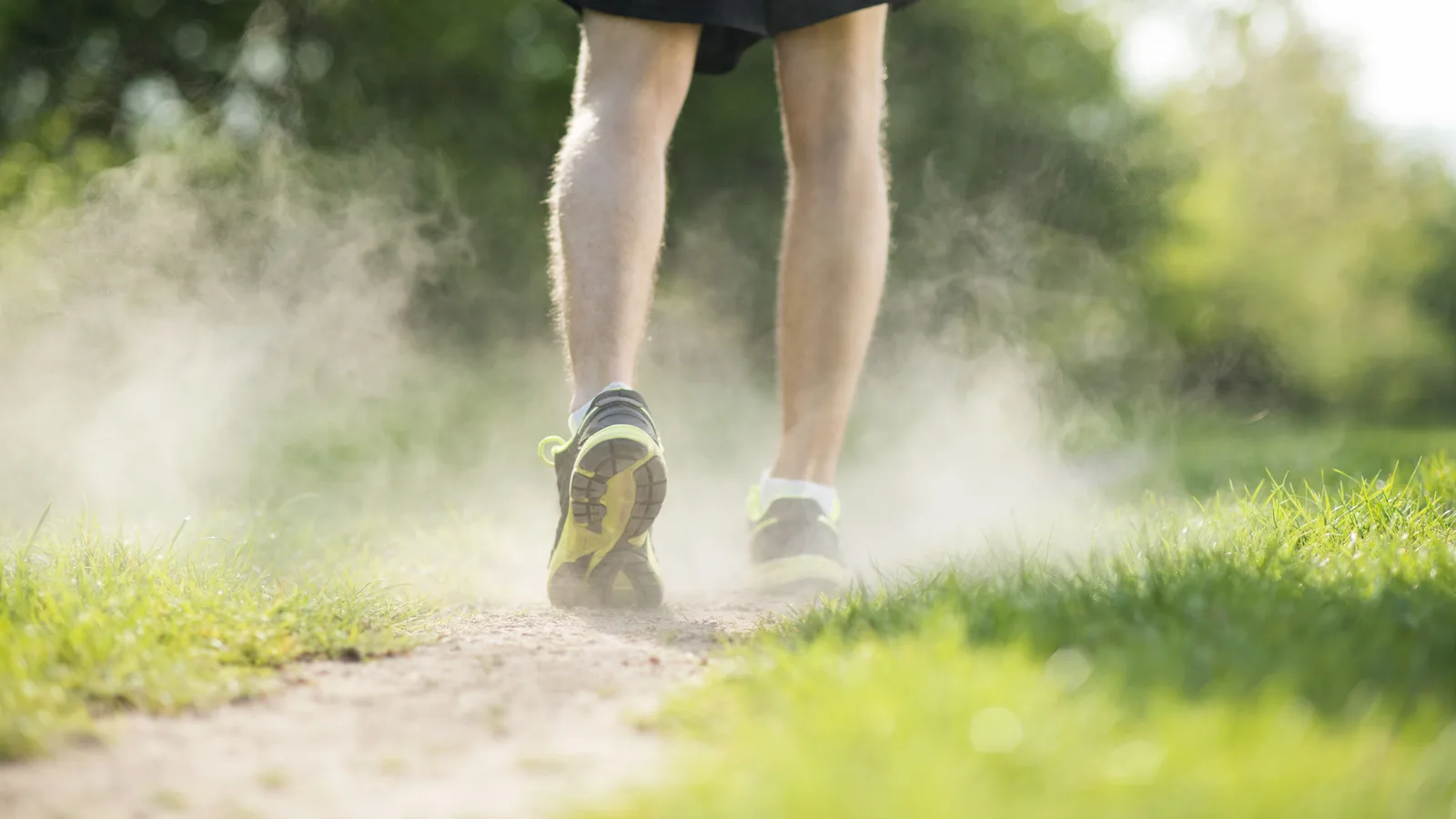
Five men’s trail running shoes for UK mud, wet rock and road links, with a clear pick for grip, cushioning, wide feet and fast days.
The quick answer
If you want one pair for most UK trail days, start with the Hoka Speedgoat 6. It balances cushioning and grip better than the rest of this shortlist, so it copes with forestry tracks, stone tracks and long days in the hills without feeling like a specialist mud shoe. Choose the Salomon Speedcross 6 if your runs are mostly soft ground, steep grass or muddy woodland; the Brooks Cascadia 18 if you want a more protected, stable ride over rocky mixed trails; the Altra Lone Peak 8 if you need a wide toe box and prefer zero-drop; and the Saucony Peregrine 14 if you want a firmer, quicker feel for shorter technical runs.
How to choose a men’s trail shoe for UK conditions
Grip matters more than lug depth alone. Deep, soft-ground lugs clear mud, but they can feel vague on wet rock. Look for a tread pattern that matches the ground you run most.
Cushioning is a personal trade-off. More foam protects tired legs on long days; less foam gives a closer feel on technical ground. Neither is better in every case.
Fit is the deciding factor. A wide toe box helps if you get black toenails or hot spots; a closer fit helps on steep descents. Try shoes with the socks you use and allow a thumb’s width at the toe.
Protection has a cost. Rock plates and reinforced uppers reduce stone bruising but add stiffness and weight. If your trails are mostly smooth, you may not need them.
Consider the road link. Many UK runs start on tarmac or gravel. Very aggressive lugs wear quickly and feel noisy on hard surfaces.
The five best men’s trail running shoes
Hoka Speedgoat 6
Best overall for long days
The Speedgoat 6 is the easiest recommendation for a mixed bag of UK trails. Its thick, rockered cushioning keeps long forest tracks and hard-packed paths comfortable, while the Vibram Megagrip outsole gives dependable grip on wet roots and rock. It is not a dedicated mud shoe: the lugs are not as deep or as aggressive as the Speedcross 6, and the soft ride can feel less precise on very technical ground. For most men running a bit of everything, that is a fair trade.
What works well
- Comfortable over long distances
- Vibram Megagrip outsole
- Rocker helps the ride roll
- Works on road links and hard-packed trail
What to watch
- Not the best choice for deep mud
- Softer feel is less precise on technical rock
- Can feel bulky on very short, fast runs
Salomon Speedcross 6
Best for soft mud and steep grass
The Speedcross 6 is the shortlist’s mud specialist. Its deep chevron lugs bite into soft ground and steep grass, and the Quicklace system gives a close, secure hold with little faff. The trade-off is a firmer, less cushioned ride than the Speedgoat and a narrower fit that will not suit every foot. It is excellent for wet woodland, fell paths and muddy cross-country, but over rocky ground and long tarmac links it feels like a specialist being asked to do a generalist’s job.
What works well
- Excellent bite in soft mud
- Secure Quicklace fit
- Good for steep grass and wet woodland
- Durable upper for rough ground
What to watch
- Aggressive lugs feel clumsy on rock and road
- Firmer and less cushioned than the Speedgoat
- Narrow fit may pinch wider feet
Brooks Cascadia 18
Best for rocky, mixed trails
The Cascadia 18 is the protection pick. A rock plate and stable platform take the sting out of stony tracks and rooty descents, and the upper feels reassuringly solid without being a brick. It is less exciting than the Speedgoat and less aggressive than the Speedcross, but it is a sensible choice for UK runners who spend more time on rocky mixed trails than in deep mud. The fit is roomier than Salomon’s and more supportive than the Altra.
What works well
- Rock plate protects against stones
- Stable on uneven ground
- Comfortable for mixed days
- Roomier fit than many trail shoes
What to watch
- Heavier feel than fast trail shoes
- Not a mud-specific tread
- Less lively than the Speedgoat
Altra Lone Peak 8
Best for wide feet and natural feel
The Lone Peak 8 is for men who want a wide toe box and a flat, zero-drop ride. The FootShape fit lets toes spread, which helps on long descents and hot days, and the MaxTrac outsole is competent on dry rock and hard-pack. It is not the most protective shoe here and its lugs are not as deep as the Speedcross, so it struggles in thick mud and on very sharp stone. If you already like zero-drop, it is a comfortable trail companion; if you do not, build up slowly.
What works well
- Wide toe box
- Zero-drop natural feel
- Comfortable upper
- Good on dry rock and hard-pack
What to watch
- Less cushioning than Speedgoat
- Not a deep-mud tread
- Zero-drop transition needs time
Saucony Peregrine 14
Best for fast, technical runs
The Peregrine 14 is the quicker, firmer option on this list. It gives a more direct feel underfoot than the Speedgoat, with a tread that handles mixed trail and moderate mud without the drag of a full mud shoe. It is a good choice for shorter technical runs, parkrun-style trail loops and runners who prefer to feel the ground. It is less forgiving over long distances and less protective than the Cascadia, so it suits a specific job rather than one-shoe quiver duty.
What works well
- Firmer, faster ride
- Versatile tread for mixed trails
- Good ground feel
- Lighter feel than protection-focused shoes
What to watch
- Less cushioning for long days
- Less protective on sharp rock
- Not as grippy in deep mud as Speedcross
How the picks compare
| What matters | Hoka Speedgoat 6 | Salomon Speedcross 6 | Brooks Cascadia 18 | Altra Lone Peak 8 |
|---|---|---|---|---|
| Best for | Long, mixed days | Soft mud and steep grass | Rocky, mixed trails | Wide feet and zero-drop |
| Fit | Medium, slightly roomy | Close and narrow | Roomier, stable | Wide toe box |
| Cushioning | High | Moderate to firm | Moderate, protective | Moderate |
| Grip | Very good on wet rock and roots | Excellent in soft mud | Good on mixed ground | Good on dry rock, limited in mud |
| Road link | Comfortable | Clumsy | Acceptable | Acceptable |
| Feature | Saucony Peregrine 14 | Hoka Speedgoat 6 | Brooks Cascadia 18 |
|---|---|---|---|
| Best use | Short, fast technical runs | Long mixed days | Rocky protection |
| Underfoot feel | Firmer and more direct | Soft and rockered | Stable and protective |
| Cushioning | Moderate | High | Moderate |
| Deep mud | Moderate | Limited | Limited |
| Long-distance comfort | Good, but less forgiving | Excellent | Very good |
The Peregrine 14 is the odd one out in the first table: it sits between the Speedcross 6 and the Cascadia 18 for grip, but has a firmer, quicker feel than either. If you run short, sharp trail loops and want to feel the ground, that is a benefit. If you want one pair for all-day adventures, the Speedgoat 6 is the more forgiving choice.
Buying criteria that matter more than the label
5.0 / 5
Fit and toe room
A poor fit ruins every other quality; try with your running socks.
4.5 / 5
Grip for your usual ground
Deep mud lugs are not automatically better on wet rock or hardpack.
4.0 / 5
Cushioning for distance
More foam helps long days but can dull ground feel.
4.0 / 5
Underfoot protection
Rock plates help on stony ground but add stiffness.
3.5 / 5
Road-link comfort
Important if every run starts on tarmac or gravel.
The final recommendation
Trail running shoe FAQs for UK runners
Should men’s trail running shoes be a size bigger?
Not automatically. Some runners go up half a size to allow for swelling and thicker socks, but a shoe that is already roomy can become sloppy on descents. Use the brand’s size guide and check toe room with your usual running socks.
Can I wear trail shoes for road running?
For short links to the trailhead, yes. Deep lugs wear down quickly on tarmac and feel noisy and clunky, so a mixed-terrain shoe is a better choice if road is a regular part of your route.
Are waterproof trail shoes worth it in the UK?
They help on cold, wet grass and shallow puddles, but a waterproof membrane also reduces breathability and can hold water in once it gets in over the collar. For mild, wet conditions, a quick-draining non-waterproof shoe is often more comfortable.
How do I know when trail shoes need replacing?
Check the outsole lugs for flattening, the midsole for a compressed or dead feel, and the upper for tears at the flex points. If grip has gone or long runs leave your feet sore in a way they did not before, it is time to replace them.
Do I need different shoes for fell running?
Not always, but fell runners often prefer a lower, more agile shoe with aggressive grip. The Speedcross 6 is closer to that brief than the Speedgoat 6; the Cascadia 18 suits rocky fell paths better than deep bog.