Best camping stoves 2026: 5 picks for every kind of trip
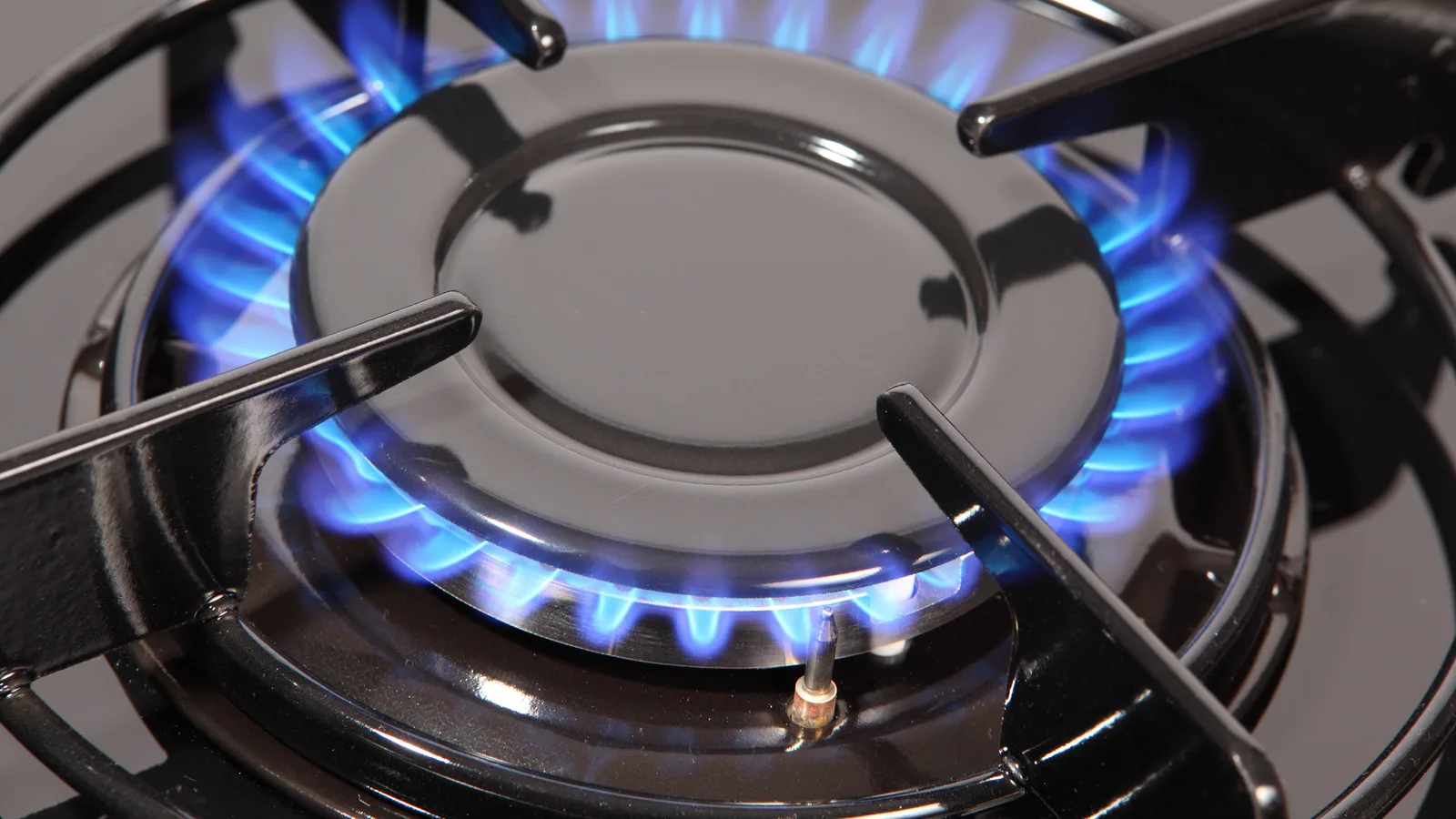
From ultralight canister burners to two-burner car-camping stoves, here are five reliable camping stoves for UK trips, plus what to check before you buy.
The quick answer
Camping stoves look interchangeable and they aren't. A stove that's brilliant on a bothy weekend — tiny, light, screwed straight onto a gas canister — is miserable when you're trying to fry onions for four at a campsite with a picnic table. The right answer depends on how you camp, not on which burner is "best".
The short answer:
- Best overall: the MSR PocketRocket 2 — light, simple and happy with any pot you already own.
- Best for boiling water fast: the Jetboil Flash.
- Best for winter and trips abroad: the MSR WhisperLite Universal.
- Best for car camping: the Primus Tupike.
- Best for quiet, gas-free cooking: the Trangia 27-2 UL.
All five are current models you can buy in the UK, and all five run on fuel you can pick up from an outdoor shop, a hardware shop or a campsite shop. What separates them is weight, speed, wind performance, how much faff you'll tolerate — and what you actually cook.
The gas stoves side by side
| What matters | MSR PocketRocket 2 | Jetboil Flash | MSR WhisperLite Universal | Primus Tupike |
|---|---|---|---|---|
| Best for | Lightweight three-season backpacking | Boiling water fast for one or two | Winter, altitude and multi-fuel trips | Car camping and families |
| Fuel | EN 417 screw-on canisters | EN 417 canisters, Jetboil's own or any brand | Canister gas, white gas, petrol, paraffin | Screw-on gas cartridges on a hose |
| Weight | Around 70 g | Around 370 g including the pot | Around 300 g, plus a fuel bottle | Several kilos, folds into a case |
| Speed | Fast | Fastest here | Fast once primed | Brisk, and two pans at once |
| Cold weather | Fades below about 5 °C | Same canister limits | The best of the group | Fine on a chilly morning, not a winter stove |
| Simmer control | Basic but usable | Coarse — it's a boiler | Good with practice | Good, with two independent knobs |
| Faff factor | Low | Lowest | High: prime, pump, clean | Low once it's set up |
If you only skim one row, make it cold weather. Every canister stove in this group leans on the same butane/propane mix, and when the cartridge gets cold the pressure drops and the flame goes limp. That's fine for a damp weekend in the Peak District and genuinely annoying on a frosty morning in the Cairngorms, which is exactly where the WhisperLite Universal earns its keep.
1. MSR PocketRocket 2: best overall
MSR PocketRocket 2
Best overall
The PocketRocket 2 is the stove most backpackers should buy. It screws onto any EN 417 canister, folds down to roughly the size of a small lighter and adds barely 70 g to your pack, so there's no excuse for leaving it at home. The piezo igniter saves hunting for a lighter in the rain, the pot supports take a wide pan without wobbling, and the flame turns down far enough to simmer a pan of sauce rather than just boil water.
It is not a wind shelter. On an exposed pitch you'll want a foil windshield or a spot behind a rock, and like every canister stove it loses puff as the cartridge cools — fine for three-season UK camping, frustrating in a hard frost. Pair it with a 100 g or 230 g canister, put a lid on your pot, and you'll have a brew going a few minutes after you stop walking.
What we like
- Barely noticeable in a pack at around 70 g
- Piezo ignition built in, so no separate lighter
- Wide pot supports handle bigger pans
- Cheap to buy and canisters are sold everywhere in the UK
What to watch
- No windshield — exposed pitches need a foil screen
- The canister sits high, so tall pots feel top-heavy
- Sluggish in sub-zero conditions
- The igniter is usually the first thing to fail
2. Jetboil Flash: best for fast brews
Jetboil Flash
Best for fast brews
Jetboil's Flash is a stove and pot in one: the burner clips into a FluxRing pot with a neoprene cosy and a lid you can drink through. It's the quickest way to a hot drink or a rehydrated meal on a cold morning — Jetboil quotes around 100 seconds for half a litre — and because the heat exchanger wraps the base of the pot, it shrugs off wind and uses less gas than an open burner.
The trade-off is flexibility. You're cooking in one pot, so it's a boiler rather than a kitchen: simmering is coarse and you can't easily swap in your own pan. At around 370 g for the whole system it's heavier than a bare canister stove, which matters on a long backpacking trip but hardly at all on a one-night camp where speed and a hot brew matter more than grams.
What we like
- Boils water faster than anything else here
- Heat exchanger and cosy make it efficient in wind
- One unit — no hunting for a matching pot
- Drink-through lid and measuring marks inside
What to watch
- One pot and a coarse simmer, so not for real cooking
- Around 370 g is heavy for solo ultralight trips
- Replacement pots are pricey
- Bulky in a small pack
3. MSR WhisperLite Universal: best for cold weather and multi-fuel
MSR WhisperLite Universal
Best for cold weather and multi-fuel
This is the stove for winter bothy trips, altitude and anywhere you can't rely on buying canisters. It runs on canister gas, white gas, unleaded petrol or paraffin, and the fuel bottle sits on the ground with a hose to the burner, so a big pan is stable and you can shield the whole lot with a windshield.
Liquid fuel takes a bit of ritual: you prime the burner with a splash of fuel, wait for the yellow flame to settle, then cook. It's noisier, it soots your pans and it needs the occasional service, but it keeps going in temperatures that turn canister stoves into ornaments, and a litre of petrol or paraffin goes a long way for the money.
What we like
- Runs on four different fuels
- Reliable in proper cold
- Remote burner is stable under big pans
- Serviceable — spare parts are available
What to watch
- Priming is a faff and unnerving the first time
- Heavier once you add the fuel bottle
- Soots pans and needs cleaning
- Loud, and it needs good ventilation
4. Primus Tupike: best for car camping
Primus Tupike
Best for car camping
Car camping is a different job: two pans at once, a stable base on a picnic table and enough heat to fry a proper breakfast. The Tupike folds into a briefcase shape with a carry handle, opens into a two-burner stove with side windshields and separate control knobs, and runs off a standard gas cartridge on a hose.
It's heavy and it lives in the boot rather than a rucksack, but for a family tent, a festival or a weekend on a pitch with a table, it's far more pleasant than crouching over a single tiny burner. Bring a spare cartridge: two burners empty one quickly, especially if you're boiling a kettle on one side and cooking on the other.
What we like
- Two burners, so you can cook and boil at the same time
- Folding case with a handle and side windshields
- Stable enough for big pans and a frying pan
- Simple to use — no priming or pumping
What to watch
- Heavy and bulky, so car only
- Thirsty: two burners get through cartridges
- Needs a level table or firm ground
- Overkill for solo trips
5. Trangia 27-2 UL: best for quiet, cheap cooking
Trangia 27-2 UL
Best for quiet, cheap cooking
Trangia's 27 series is the stove your Scout leader had, and it still makes sense. The set nests a burner, two pans, a frying pan that doubles as a lid and a windshield into one bundle; the UL version uses hard-anodised aluminium to shave weight, and it's sized for one or two people.
There's no noise at all — just a quiet blue ring of flame — and no canister to buy or carry. You fill the burner with methylated spirits, light it and adjust the heat with the simmer ring. It's slow compared with gas, and you need to plan meals around gentle heat rather than a fierce one, but it's wonderfully civilised on a still evening and well under a kilo for the whole set.
What we like
- Near silent in use
- Fuel is cheap and sold in any hardware shop
- The windshield actually works
- Everything nests into one compact bundle
What to watch
- Slow to boil
- Meths is fiddly to pour and can soot pans
- Heavier than a bare canister stove
- Lower heat output in wind and cold
How to choose a camping stove
Fuel first. Everything else follows. Canister gas is instant, clean and easy, but the cartridge is the most expensive way to buy fuel and butane-rich mixes stop vapourising in the cold. Multi-fuel stoves are a faff but run on petrol or paraffin you can buy almost anywhere. Meths is silent and cheap but slow.
Weight and packed size. A canister stove is nothing; a two-burner is a suitcase. Be honest about whether the stove will actually be carried.
Wind. The UK is windy, and wind is the single biggest reason a stove disappoints. A windshield, a heat-exchanger pot or a sheltered pitch matters more than a few grams.
Stability. A tall pan on a canister-top stove is a scalding accident waiting to happen. If you cook real meals in a big pan, look at a remote burner or a two-burner.
Simmer control. Boiling water is easy; holding a gentle simmer is not. If you cook rice, porridge or sauce, check how low the flame goes.
Ignition and spares. A piezo igniter is convenient until it fails in the wet, so carry a lighter anyway. Stoves you can service last longer.
Group size and campsite rules. Two people can share a single burner; four can't. Some sites ban open fires but allow gas stoves — check before you go.
4.5 / 5
Fuel cost and availability
Canisters are convenient but the priciest fuel; meths and petrol are far cheaper per meal.
5.0 / 5
Wind and cold performance
The factor most likely to ruin a meal in the UK, and the hardest to fix after you've bought.
4.0 / 5
Weight and packed size
Only matters if you carry it — for car camping, ignore this entirely.
4.0 / 5
Cooking control
If you simmer rather than just boil, a stove with a coarse flame will frustrate you.
3.5 / 5
Simplicity and reliability
Fewer moving parts and no priming means fewer things to go wrong in the rain.
Fuel, cartridges and safety
- EN 417 screw-on canisters
- The UK standard for MSR, Jetboil, Primus and most others; choose a butane/propane mix for cold trips.
- Campingaz clip-on cartridges
- Fits Campingaz stoves only — not interchangeable with screw-on canisters.
- Methylated spirits
- Sold in hardware shops and DIY stores; quiet, low heat, and poisonous, so keep it labelled and out of reach of children.
- Multi-fuel
- White gas, unleaded petrol, paraffin and canister gas; the cheapest per litre on long trips and the best cold-weather option.
Two practical habits make a canister stove much better in cold weather. Keep the cartridge in your jacket before you cook so it starts warm, and don't wrap a windshield tightly around the canister itself — trapping heat around a gas cartridge raises the pressure and is genuinely dangerous. Shelter the burner from the wind, not the fuel.
The verdict
Camping stove FAQs
Can I fly with a camping stove?
Not with fuel or canisters — those are banned in both hand and hold luggage. A well-cleaned stove with an empty fuel bottle is usually accepted, but check with your airline before you pack it.
What gas do UK camping stoves use?
Most take EN 417 screw-on cartridges filled with a butane/propane mix. Campingaz clip-on cartridges look similar but only fit Campingaz stoves, so match the canister to the stove.
How long does a small gas cartridge last?
It depends on the stove, the wind and how much you simmer. A heat-exchanger stove like the Jetboil stretches a cartridge further than an open burner, and a two-burner stove will empty one far faster than a solo setup.
Is methylated spirits the same as camping fuel?
UK meths is ethanol denatured with methanol and a purple dye. It burns well in a Trangia-style burner, but it's poisonous — never decant it into a drinks bottle, and label anything you store it in.
Do I need a windshield for a canister stove?
In the UK, usually yes. A simple foil screen makes a noticeable difference on an exposed pitch, but keep it clear of the canister itself so the cartridge doesn't overheat.