Best bike helmets 2026: 5 picks for every UK rider
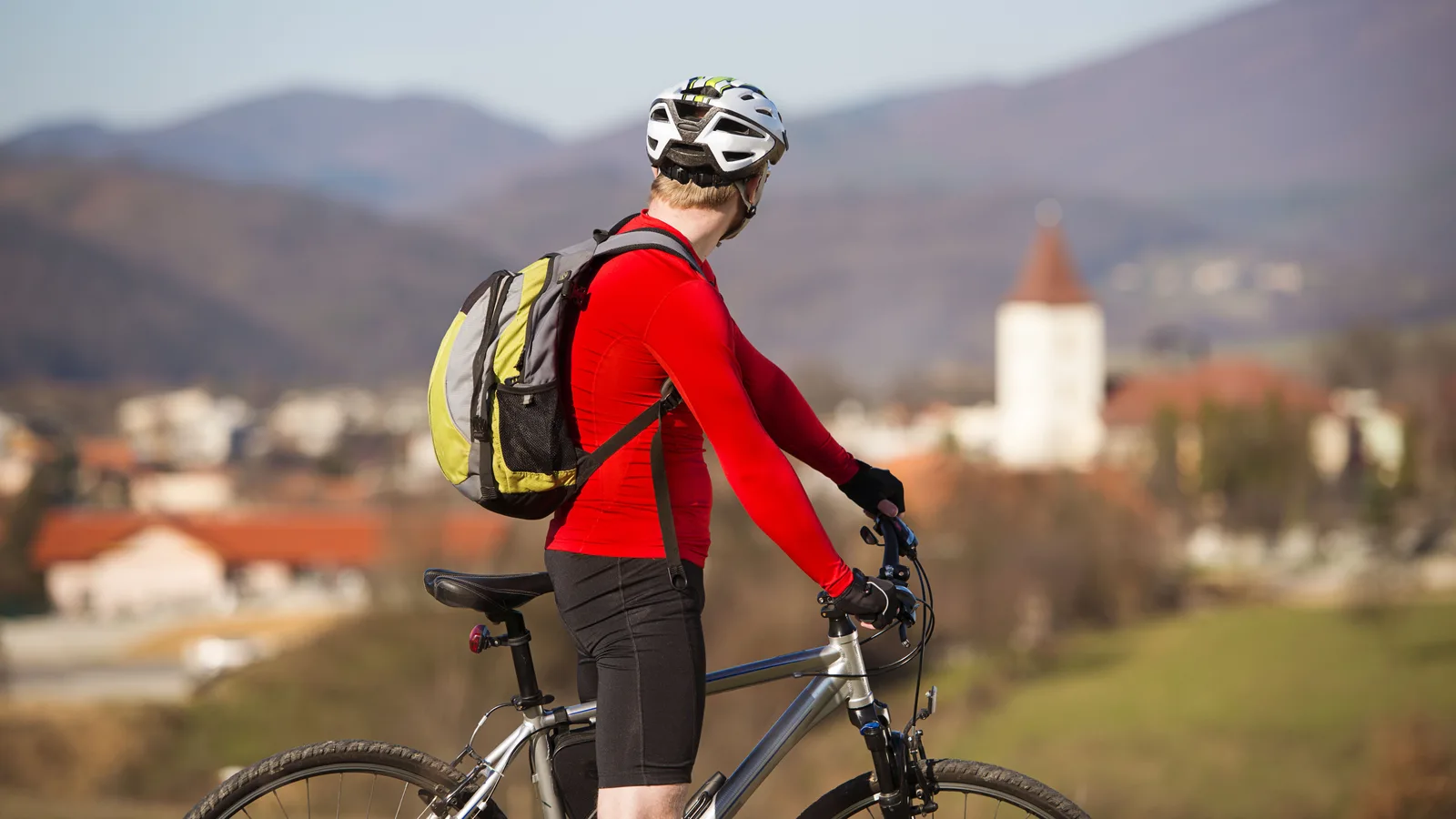
Our pick of the best bike helmets for 2026, from a budget commuter lid to a fast road helmet and a trail-ready MTB choice, with fit advice.
The quick answer: which bike helmet should you buy?
If you want one helmet that covers road riding, commuting and light trail use, start with the Giro Syntax MIPS. It is the most balanced pick here: a proper dial fit, useful venting and a removable visor. For a first helmet or a tight budget, the Specialized Align II MIPS is the sensible buy. Road riders who prioritise low weight and airflow should look at the Kask Mojito3; trail riders need the extra rear coverage of the Fox Speedframe MIPS; and commuters who want the simplest possible buckle and a more covered shape should choose the Bontrager Charge WaveCel.
How the five helmets compare
| Helmet | Rotational protection | Best for | Fit system |
|---|---|---|---|
| Giro Syntax MIPS | MIPS | All-round road and commute | Roc Loc 5 Air |
| Specialized Align II MIPS | MIPS | First helmet and value | Headset SX dial |
| Kask Mojito3 | WG11 testing (no MIPS) | Fast road rides | Octo Fit |
| Fox Speedframe MIPS | MIPS | Trail and mountain biking | 360° Fit |
| Bontrager Charge WaveCel | WaveCel | Urban commuting | BOA |
The road-focused helmets save weight and add airflow, while the trail and commuter choices add coverage and practical features. None of them is a substitute for the correct size.
The five best bike helmets for 2026
Giro Syntax MIPS
Best overall
The Syntax MIPS is the helmet we would point most riders towards first. It has a MIPS liner, Giro's Roc Loc 5 Air dial fit and a removable visor, so it works on a road bike, a hybrid and a commuter without looking out of place. Venting is good enough for brisk summer rides, and the shape suits a wide range of heads. It is not the lightest or the most aggressive road helmet, but it is the easiest to live with every day.
Why it wins
- MIPS rotational protection and a secure Roc Loc 5 Air fit
- Removable visor makes it useful for commuting and road riding
- Well ventilated for everyday riding
- Comfortable padding and straightforward strap adjustment
Watch out for
- Not as light as a dedicated road helmet
- No WaveCel or similar alternative liner
- The visor is basic rather than a full trail peak
Specialized Align II MIPS
Best value
The Align II MIPS is the pick for a first proper helmet or a spare for the commute. You get MIPS, a micro-adjust dial and a shape that covers the back of the head a little more than a pure race helmet. It is not as airy or as light as the Kask, and the finish is more utilitarian, but it covers the basics without cutting the safety features that matter. If you ride to the shops, to work or on weekend paths, it is a sound starting point.
Why it is good value
- MIPS liner at the budget end of the market
- Easy dial fit and simple straps
- More rear coverage than a race helmet
- Good first helmet or commuter spare
Watch out for
- Heavier and warmer than a road-focused helmet
- Basic finish and visor
- Not designed for aggressive trail riding
Kask Mojito3
Best road helmet
The Mojito3 is a road helmet first: light, well vented and shaped to sit close without pressure points. Kask uses its own WG11 rotational-impact testing rather than a MIPS liner, and the Octo Fit retention system is easy to fine-tune on the move. It is the one to choose if most of your riding is fast road or sportive work and you want a helmet that feels unobtrusive. It has no visor and less rear coverage than a trail lid.
Why road riders like it
- Light, airy feel for fast road rides
- Secure Octo Fit cradle
- Clean shape with good strap comfort
- WG11 rotational-impact testing
Watch out for
- No MIPS liner
- No visor for commuting or trail use
- Road-focused coverage
Fox Speedframe MIPS
Best mountain bike helmet
The Speedframe MIPS is built for trail centres, woodland loops and bike-park days. It has more rear coverage than the road helmets here, an adjustable visor to keep sun and branches out of your eyes, and a MIPS liner. The fit system wraps further around the head, which helps when the trail gets rough. It is warmer and bulkier than a road helmet, so keep it for off-road riding rather than long tarmac commutes.
Why trail riders choose it
- MIPS and extended rear coverage
- Adjustable visor for trail riding
- Secure fit for rough ground
- Good ventilation for a trail helmet
Watch out for
- Bulkier and warmer than road helmets
- Overkill for road commuting
- Visor can catch wind on fast road sections
Bontrager Charge WaveCel
Best commuter helmet
The Charge WaveCel is the commuter pick: a covered shape, a magnetic buckle that is easy to use with gloves, and WaveCel rather than MIPS. The BOA fit system makes it quick to adjust, and the removable visor suits city riding. It feels more substantial than a race helmet, which is reassuring in traffic, but that also means more weight and less airflow on hot days. It is a practical choice for daily utility riding.
Why commuters like it
- WaveCel liner and a covered commuter shape
- Magnetic buckle is quick with gloves
- BOA fit dial and removable visor
- Practical for daily town riding
Watch out for
- Heavier and warmer than a road helmet
- Less ventilation for hard efforts
- Commuter styling not aimed at racing
What to look for in a bike helmet
Start with fit and certification, then decide how much ventilation and coverage you need for the riding you actually do.
- Fit and retention: measure your head circumference above the eyebrows and use the maker's size chart. The helmet should sit level, just above the eyebrows, and the dial should tighten without pinching. Try the size below and above if you are between sizes.
- Certification: in the UK, look for EN 1078 on the label. That is the baseline; extra rotational systems are a bonus, not a substitute for a proper fit.
- Rotational protection: MIPS, WaveCel and Kask's WG11 testing are different approaches. No helmet can prevent every injury, so do not treat one label as a guarantee.
- Ventilation and weight: more vents and lower weight help on climbs and fast rides; commuters can trade some airflow for coverage and practical features.
- Coverage and visor: trail riders benefit from a deeper rear and an adjustable visor; road riders usually want a smoother shape that does not catch the wind.
- Commuter details: reflective panels, a magnetic buckle and light mounts make daily riding easier. Check there is a place to mount a rear light if you ride at dusk.
5.0 / 5
Fit and retention
The most important factor: a loose or pinching helmet will not sit correctly in a crash.
5.0 / 5
Certification
EN 1078 is the minimum UK riders should look for on the label.
4.0 / 5
Rotational protection
MIPS, WaveCel and similar systems add a useful layer, but fit still comes first.
4.0 / 5
Ventilation
Matters more for fast road rides and summer commuting than for short town trips.
4.0 / 5
Coverage
Trail and urban riders usually benefit from more rear coverage than road racers.
Fit, care and when to replace your helmet
Store your helmet out of direct sun and away from hot cars, keep solvents and petrol away from the shell, and check the straps and pads regularly. A helmet that rocks when you shake your head needs a different size or more adjustment, not a thicker hat underneath.
Our verdict
Bike helmet FAQs
Do I need MIPS or WaveCel in a bike helmet?
Not by law. A helmet certified to EN 1078 is the baseline; MIPS and WaveCel are extra rotational-impact systems. They are worth considering, but a well-fitting certified helmet is better than a poorly fitting one with extra technology.
How tight should a bike helmet be?
Snug enough that it stays put when you shake your head, without pressure points or a red mark on your forehead. The dial should need only small adjustments, and the straps should form a V just below each ear.
When should I replace my bike helmet?
After any impact, or if the shell, foam or straps are damaged. Otherwise follow the manufacturer's replacement guidance; foam and adhesives degrade over time.
Are bike helmets compulsory in the UK?
There is no legal requirement for adults to wear a helmet on public roads in the UK, but they are strongly recommended. Some workplaces and organised events may have their own rules.
Can I use a road helmet for mountain biking?
You can, but a road helmet has less rear coverage and no proper visor. For trail centres and rocky ground, a mountain bike helmet like the Fox Speedframe MIPS is the better tool.
Should I buy a helmet online or in a shop?
Online is fine if you know your size and the return policy. A shop lets you try several shapes and check pressure points, which is useful for a first helmet or if you are between sizes.