Best Hiking Sneakers 2026: 5 Picks for UK Day Hikers
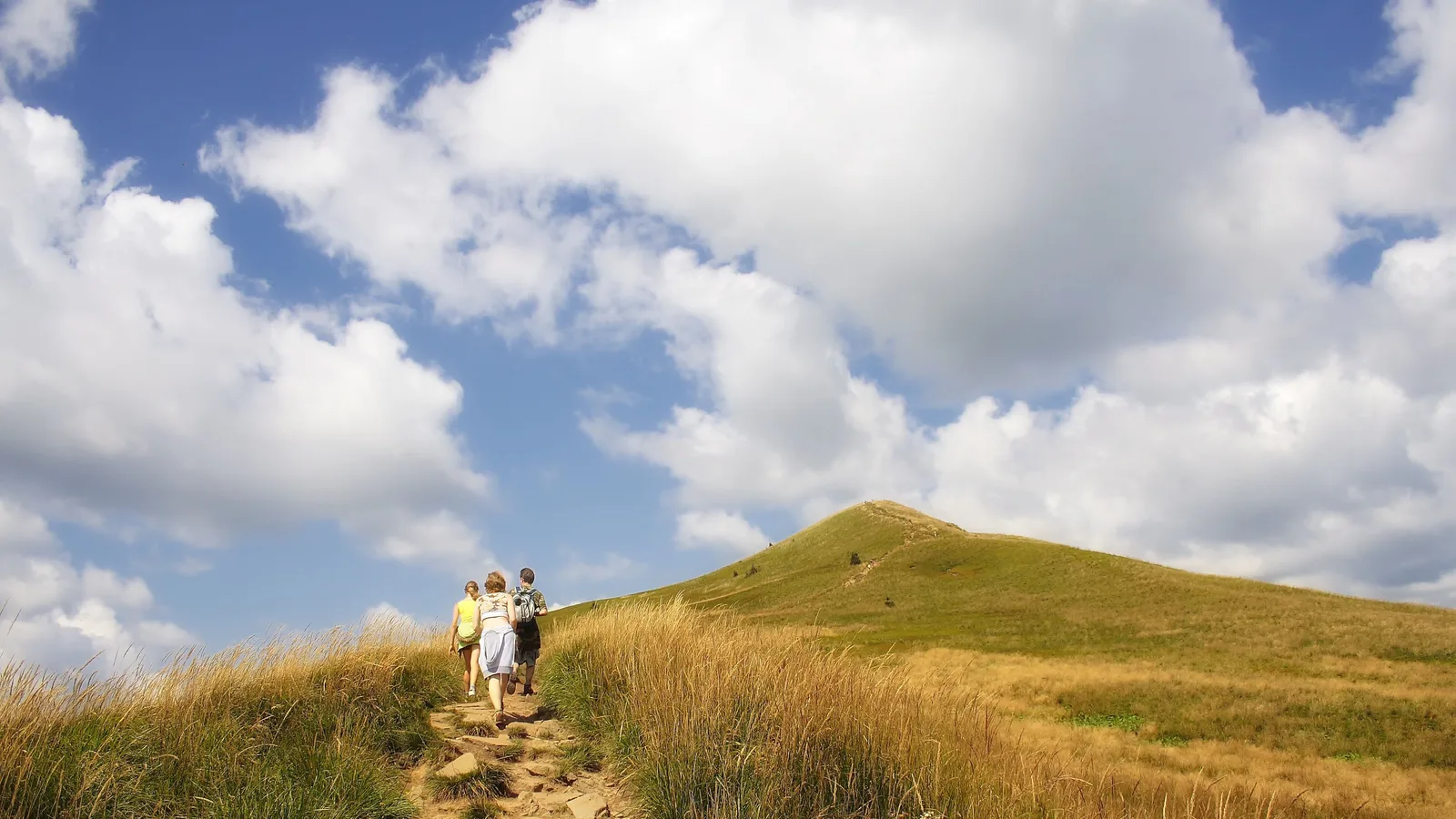
Five hiking trainers for British trails, from an all-round Salomon to a wide-fitting Keen, plus the fit and grip details that actually matter.
Best hiking sneakers 2026: the quick answer
A hiking sneaker — what most UK shops call a walking shoe or a low-cut hiking trainer — is the right tool for three-season day walks, light overnighters and the mixed ground you actually get in Britain: mud, roots, wet gritstone, gravel track and the occasional tarmac lane. It is lighter and quicker than a boot, drains better, and packs down small in a rucksack.
Here is the short version, before the detail:
- One pair to do everything: Salomon X Ultra 5 GTX — light, waterproof, stable on descents.
- Long days on hard tracks and forest roads: Hoka Anacapa 2 Low GTX — the most cushioned shoe here.
- Best balance of comfort and capability: Merrell Moab Speed 2 GTX.
- Broad feet, bunions or a heavy pack: Keen Targhee IV.
- Rocky ridges and easy scrambles: La Sportiva TX4 GTX.
How the five compare at a glance
| Model | Best for | Waterproofing | Outsole | Toe box |
|---|---|---|---|---|
| Salomon X Ultra 5 GTX | All-round British trail days | GORE-TEX | Contagrip rubber | Average, slightly narrow |
| Hoka Anacapa 2 Low GTX | Long, cushioned days | GORE-TEX | Vibram Megagrip | Average |
| Merrell Moab Speed 2 GTX | Comfortable all-rounder | GORE-TEX | Vibram TC5+ | Roomy |
| Keen Targhee IV | Wide feet and long comfort | KEEN.DRY | KEEN.All-Terrain | Very wide, wide fittings sold |
| La Sportiva TX4 GTX | Rock and easy scrambles | GORE-TEX Extended Comfort | Vibram MegaGrip | Average, low volume |
None of these is a bad shoe; they are simply tuned for different ground. If you walk mostly on paths and tracks, weight and cushioning matter more than lug depth. If you walk off-path on wet grass and peat, the outsole pattern becomes the deciding factor.
The five best hiking sneakers for 2026
All five are low-cut, all five are waterproof, and all five are sold in the UK in both men's and women's versions. What separates them is how they feel underfoot after four hours.
Salomon X Ultra 5 GTX
Best overall
The X Ultra has been the default British hill shoe for years, and the fifth generation keeps the same idea: a low, light shoe that feels almost as sure-footed as a boot on a descent. The GORE-TEX membrane copes with wet grass, drizzle and shallow puddles; the Advanced Chassis stiffens the midfoot so the shoe resists twisting on tussocky ground; and the Contagrip rubber is happiest on mixed rock, gravel and root. The lacing is quick to adjust one-handed, which matters when you want the forefoot snug for a descent and looser for the flat. It is the one pair here that copes with a Lake District round, a coastal path and a weekend city break without looking out of place.
What we rate
- Grippy and stable on wet rock, roots and gravel
- GORE-TEX keeps feet dry through a full day of drizzle
- Lacing you can adjust on the move without taking a glove off
- Secure midfoot hold for rough descents
What to weigh up
- Narrower than most rivals — try before buying if your feet are broad
- Firmer underfoot than the Hoka, with less foam between you and the path
Hoka Anacapa 2 Low GTX
Best for long days
If your days are long and mostly on hard-packed tracks, forestry roads, Dales valleys and towpaths, the Anacapa gives you far more foam than a traditional hiking shoe. The compression-moulded EVA midsole and rocker geometry roll you forward, and the Vibram Megagrip outsole still bites when the track turns to wet stone. The leather-and-textile upper with GORE-TEX feels plusher than the Salomon and is kinder to tired feet in the fifth hour. What you lose is ground feel: on broken, boulder-strewn ground the tall stack feels vague and rolls more easily, so it is not the shoe for a rocky ridge.
What we rate
- Generous cushioning for long days on hard surfaces
- Vibram Megagrip holds well on wet stone
- Comfortable, padded upper straight out of the box
- Rocker shape keeps a tired stride moving
What to weigh up
- Less precise on rough, uneven ground
- Bulky and warm — not the shoe for a hot July walk
Merrell Moab Speed 2 GTX
Best all-round value
The Moab Speed is Merrell's lighter, quicker take on its long-running Moab walking shoe, and the second version sits comfortably in the middle of this list. FloatPro foam takes the sting out of hard tracks, the Vibram TC5+ outsole is dependable on gravel and dry rock, and the GORE-TEX lining does the job in normal British weather. It is roomier through the toes than the Salomon and lighter than the Keen, which makes it an easy recommendation for a first pair of hiking trainers or for anyone walking a few hours at a time on mixed ground. The lugs are not deep enough to make it a mud specialist.
What we rate
- Comfortable from the first walk, with little breaking in
- Roomier toe box than the Salomon
- Vibram TC5+ rubber is dependable on gravel and rock
- Lighter than a traditional leather walking shoe
What to weigh up
- Shallow lug pattern clogs quickly in proper mud
- Less protective upper than the La Sportiva on scree
Keen Targhee IV
Best for wide feet
The Targhee is the answer for anyone who has given up on hiking shoes because they pinch across the toes. The toe box is genuinely wide — and the shoe is sold in wide fittings — the Luftcell PU footbed is supportive rather than squishy, and the KEEN.DRY membrane keeps water out. This fourth generation uses Keen.Fusion construction, which bonds the upper to the sole without adhesive, a design Keen says is more durable; either way, it is a sensible choice if you walk often on abrasive gritstone. The trade-off is weight and bulk: this is the heaviest shoe here and the least subtle on technical ground.
What we rate
- Wide toe box, with wide fittings available
- Stable, supportive platform when you are carrying a pack
- KEEN.DRY waterproofing that holds up on wet ground
- 4mm multi-directional lugs for mixed trails
What to weigh up
- Heaviest of the five
- Bulkier and warmer in summer than a mesh shoe
La Sportiva TX4 GTX
Best for rocky ground
The TX4 is an approach shoe at heart, which makes it the odd one out here — and the best of the bunch on rocky, scrambly ground. The suede upper is tough, the Vibram MegaGrip sole uses La Sportiva's Impact Brake System with a smooth climbing zone at the toe for smearing on rock, and the rubber rand wraps over the toe and heel to protect the upper against scuffs. GORE-TEX Extended Comfort keeps it waterproof without feeling like a plastic bag. It is stiff and thinly cushioned, so it is a poor choice for long days of flat, hard track — but on a rocky ridge it is superb.
What we rate
- Exceptional grip and edging on rock
- Tough suede upper with a protective rubber rand
- Precise, low-volume fit for technical ground
- Waterproof without feeling stifling
What to weigh up
- Stiff and lightly cushioned for long, flat days
- Needs breaking in — not a shoe to wear straight out of the box
How to choose: what actually matters
Waterproofing versus breathability. A membrane is a compromise, not a free upgrade. It keeps out rain and wet grass, but it also traps heat and takes longer to dry once water gets in over the collar. For three-season British walking a membrane earns its place; for a hot, dry summer of low-level paths, a ventilated non-waterproof version is often more comfortable.
Outsole and lugs. Sticky rubber — Vibram Megagrip and Salomon's Contagrip are the names to look for — matters more than lug depth on wet rock. Deep, widely spaced lugs clear mud better; shallower, denser patterns suit gravel and hard track.
Fit before features. Heel hold, toe room and no pressure over the little toe or instep. A cheap shoe that fits beats an expensive one that does not.
Support versus weight. A low shoe with a firm heel counter is enough for most day walks. Mid-cut boots only earn their extra bulk when you carry a heavier pack or have a history of ankle trouble.
5.0 / 5
Grip on wet rock and roots
Where cheaper soles fail first. Sticky rubber compounds are worth paying for in Britain.
4.5 / 5
Waterproofing for three-season use
Wet grass soaks a non-waterproof shoe within minutes, even on a dry day.
4.0 / 5
Cushioning on four-hour-plus days
Matters most for hard tracks and forestry roads, least for soft moorland.
3.5 / 5
Breathability in summer
The first thing you give up when you choose a waterproof membrane.
3.0 / 5
Weight
Noticeable on long days, but a stable shoe that fits beats a light one that does not.
2.0 / 5
Ankle support
Only worth the extra bulk with a heavier pack or existing ankle problems.
Fit, sizing and looking after them
Most people buy hiking shoes half a size too small, because they size them like trainers. Your foot slides forward on descents; if your toes touch the front in the shop, they will bruise on a long descent. Aim for a thumb's width of clearance and check the heel hold by walking up a slope or a flight of stairs in the shop.
If the shoe fits everywhere except across the instep, try a different lacing pattern rather than a bigger size — skipping a crossover or using a heel-lock loop can solve most pressure points. Give any leather or suede shoe (the La Sportiva in particular) a few short walks before a big day out.
To keep them working: rinse mud off with cold water and a soft brush, never a jet wash, and stuff them with newspaper to dry at room temperature. Reproofing sprays help the upper bead water, but they will not revive a worn-out membrane.
The verdict
Frequently asked questions
Can I just use trail running shoes for hiking?
For light loads on soft ground, yes — many trail shoes grip well and weigh very little. They generally have softer uppers, less underfoot protection and no rand, so they suffer on rocky ground and with a heavier pack.
Are waterproof hiking trainers too warm for summer?
They are warmer than a ventilated shoe, and once water gets in over the collar they take longer to dry. For hot, dry low-level walks, a non-waterproof version is often the more comfortable choice.
How do I know when to replace them?
Check the lugs under the ball of the foot and at the heel: once they are rounded off, wet-rock grip has gone. A membrane that leaks or a midsole that feels flattened are the other two signs it is time.
Do I need a mid-cut boot instead?
Only if you regularly carry a heavier pack, walk very rough ground, or have had ankle trouble. For day walks with a small pack, a low shoe with a firm heel counter is lighter and less tiring.
Should I size up in hiking shoes?
Size to fit, not up. You want a thumb's width in front of the longest toe when standing, with the heel locked. Trying them on late in the day with your walking socks gives the most reliable result.