Specialized Sirrus X 2.0 Review 2026: A Do-It-All Commuter?
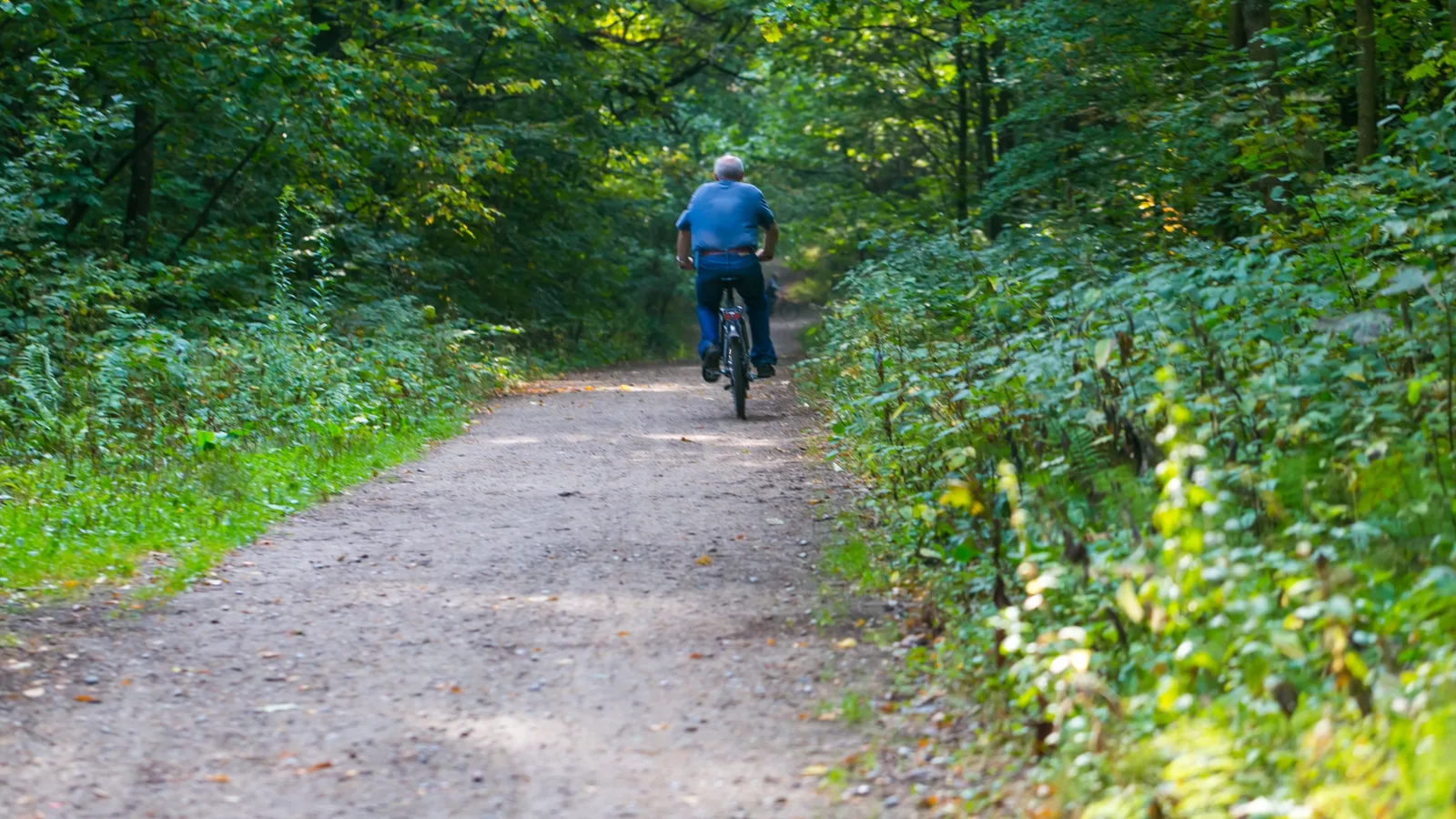
Our Specialized Sirrus X 2.0 review: a flat-bar all-rounder for commutes, towpaths and fitness rides — what works, what doesn't, and who it suits.
Specialized Sirrus X 2.0 review: the short version
The Sirrus X 2.0 is the bike Specialized builds for people who want one machine to do the school run, the commute and a Saturday loop, without committing to drop bars or knobbly mountain bike tyres. It is a flat-bar bike with a single chainring at the front, wide tyres with a shallow file tread, disc brakes and an aluminium frame.
That combination tells you most of what you need to know. It is practical rather than racy, comfortable over an hour or two, and honest about what it is: a sturdy all-rounder for riders who value getting there over getting there fast.
Our rating: 4 out of 5. The mark reflects how well the design brief is matched to real British riding — mixed surfaces, wet weather, potholes and a bike that has to earn its keep. It loses a point for the gear spacing and for a build that feels its weight on climbs.
What the Sirrus X 2.0 actually is
The Sirrus X 2.0 sits in Specialized's flat-bar Sirrus family, and the 'X' versions are the more rugged branch of it. Instead of a double chainring at the front, you get a single ring driving a wide-range cassette at the back. Instead of narrow slicks, you get fatter tyres with a light tread pattern. Disc brakes, an aluminium frame and a flat bar complete the picture.
Think of it as the halfway house between a road-going fitness bike and a mountain bike. It is quick enough for a daily commute, stable enough for a gravelly canal path, and simple enough to leave chained up outside a shop without a second thought. The single chainring means one shifter on the left-hand side of the bar that does nothing, one on the right that does everything, and no front mech to drop its chain in the wet.
It is aimed at the rider who does not want to own three bikes. If your week looks like a commute on cycle paths, a weekend towpath ride and the occasional trip to the shops, this is squarely in the middle of the target.
How it rides: position, handling and gearing
The position is the Sirrus X 2.0's quiet strength. The bar sits a little higher and closer than on a road bike, so you get a decent view over traffic and less strain in your neck and lower back, but you are not sat bolt upright as you would be on a traditional town bike. It is a position you can hold for an hour or two without thinking about it, which is exactly what a commuter and fitness bike needs to offer.
The handling leans towards stability. Wide tyres and a relaxed front end make it feel planted on broken tarmac, gravel and the sort of patched-up surfaces that make narrow-tyre bikes flinch. The steering is still quick enough to thread between parked cars and take a tight corner at the bottom of a hill.
The gearing is the compromise you accept for the simplicity. A single ring with a wide cassette gives a large total range, but in fewer and larger steps than a double chainring. On flat commutes you will not notice. On a long drag into a headwind, or a steep climb with a load on the back, you will occasionally want a gear that sits between the two you have.
Strengths and weaknesses
What it does well
- The flat-bar position is comfortable for long commutes and does not punish your back or neck
- Wide, lightly treaded tyres handle potholes, gravel and towpaths without drama
- Disc brakes give consistent stopping in British rain, which rim brakes cannot match
- One chainring means fewer adjustments, fewer dropped chains and less to go wrong
- It genuinely can replace two bikes: the commuter and the weekend fitness ride
Where it falls short
- Gear steps are wide, so there is sometimes no perfect gear on a climb
- The build is durable rather than light, and you feel it when the road goes up
- Shallow tread is fine on dry tracks but clogs quickly in mud and wet clay
- The upright-ish front end costs you speed on open tarmac compared with a road bike
Scores: how it rates on the things that matter
4.5 / 5
Everyday commuting
Comfortable position, confident brakes and tyres that cope with crap surfaces. The strongest argument for the bike.
4.0 / 5
Fitness and longer rides
Happy for an hour or two at a steady pace; less rewarding when you want to push hard on tarmac.
3.5 / 5
Towpaths and mixed surfaces
Good on dry, packed tracks and forest roads. Limited once the surface turns to mud.
4.0 / 5
Comfort over distance
Bar height, tyre volume and a sensible saddle position all work in your favour.
4.0 / 5
Simplicity and maintenance
One chainring, mechanical disc brakes and no suspension to service. Easy to live with.
4.0 / 5
Value as a package
You pay for the frame and the badge, but the spec is sensible rather than flashy and replacement parts are cheap.
The pattern in those scores is consistent: this bike is at its best when it is being useful. It scores highest where reliability, comfort and versatility matter, and lowest where the surface or the pace gets demanding. If your riding is 80% utility and 20% ambition, that is the right shape of scorecard.
Commuting and everyday practicality
For a bike that will spend most of its life in traffic, the details matter more than the frame material. The Sirrus X 2.0 is designed with everyday use in mind — dealers routinely fit mudguards and a rear rack to these, and it is worth asking them to confirm the mounting points on the exact bike you are buying rather than assuming.
The wide tyres are a commuting asset: they soak up the state of a typical British cycle path and they are far less likely to be defeated by a pothole edge or a kerb. Disc brakes stay consistent in the wet, which matters more in November than it does in July. The riding position puts your eyes above the roof line of most hatchbacks, and the flat bar gives you enough leverage to steer around the debris that collects at the edge of the lane.
Where it asks for patience is weight. Hauling it up a flight of stairs to a flat, or lifting it onto a train hook, is not its favourite job. If your commute involves a lot of carrying rather than riding, factor that in.
Towpaths, gravel and rough stuff
The shallow file tread is the giveaway here. This is a bike for dry, packed surfaces: canal towpaths in summer, forest roads, disused railway lines, the gravelly bits at the edge of a country lane. On those, the wide tyres do their job and the stable front end means you are not constantly correcting.
In proper mud, wet clay or loose stone, the limits show quickly. Shallow tread fills and stops gripping, and you will find yourself walking the muddy mile rather than riding it. That is not a flaw so much as a category boundary: this is a mixed-surface bike, not a gravel bike and certainly not a mountain bike.
If your off-tarmac riding is a regular part of the week rather than an occasional detour, be honest with yourself about it. A bike with proper knobbles will be slower on your commute but far better on the wet stuff.
Who should buy it, and who should not
Buy it if:
- You want a single bike for commuting, errands and weekend rides of an hour or two
- Your routes mix tarmac, cycle paths and dry towpaths
- You value low maintenance and simple gearing over shaving grams
- You are moving up from a heavy mountain bike or replacing an ageing hybrid
- You want a bike that will take mudguards and a rack without an argument
Look elsewhere if:
- You mainly ride fast tarmac and want drop bars or a lighter build
- You want hub gears and full chain protection for year-round city use
- Your off-road riding involves real mud, roots and rocks
- You need to carry the bike up stairs every day and weight is the priority
What to check before you buy
-
Sit on the bike before you read the spec sheet
Sizing is the single thing you cannot fix later. Stand over the frame, put both feet down on the saddle and check you are comfortable. A short test ride beats any geometry chart.
-
Confirm the exact parts on the bike in the shop
Ask the shop to talk you through the brakes, the drivetrain and the tyres fitted to the bike you are actually buying, not the model page online. Write it down if you need to.
-
Ride it up something steep
Find the steepest climb near the shop and ride up it. This is where wide gear steps become obvious, and it tells you more about the gearing than any spec list.
-
Check the mounts and clearances
Look for the fittings for mudguards and a rack, and check there is room around the tyres for guards. Ask the shop to show you the accessories they stock that fit.
-
Spin the wheels and check the brakes
Both wheels should spin freely without rubbing, and both brakes should feel firm with a consistent bite point. A soft lever on a new bike is a conversation, not a compromise.
-
Ask what happens after the first few weeks
Cables stretch and things settle in. Check what the shop offers in the way of a first check-over and get it in writing on the receipt.
Living with it: maintenance and sensible upgrades
Life with a single-chainring bike is refreshingly dull. There is no front derailleur to trim, no chainrings to swap, and the chainline stays cleaner because the chain is not being dragged sideways all day. Keep the chain clean and check it for wear regularly, because a worn chain eats cassettes and chainrings faster than anything else on the bike.
Pads and tyres are the other consumables. Disc pads wear faster in a wet winter, so check them before the weather turns. Tyres on this sort of bike last well, but the rear will square off if you run it hard.
Upgrades that earn their money: good tyres when the originals wear out, a saddle that suits you, and grips or bar-ends that make long rides more comfortable. Upgrades that rarely do: chasing weight with expensive components on a frame that was never designed to be light. If you want a faster bike, buy a faster bike — do not spend the difference trying to turn this into one.
Specialized Sirrus X 2.0: frequently asked questions
Is the Sirrus X 2.0 the same bike as the standard Sirrus 2.0?
No. The X versions are the more rugged branch of the family: they use a single front chainring with a wide-range cassette and wider, lightly treaded tyres. The standard Sirrus is aimed more squarely at tarmac and cycle-path riding. Check which one you are being shown, because the two look similar at a glance.
Can I fit mudguards and a rear rack?
That is exactly the kind of use this bike is built for, and shops commonly supply and fit both. Ask the dealer to confirm the mounting points and clearances on the specific model year you are buying, and to fit the guards while the bike is still in the workshop.
Is one chainring a problem on hills?
It is a trade-off rather than a problem. The total range is wide enough for most commuting terrain, but the steps between gears are larger, so you occasionally get a gear that feels slightly too easy or slightly too hard. Ride a steep hill on a test ride and judge for yourself.
Can I ride it on canal towpaths and gravel tracks?
Yes, on dry, packed surfaces. The shallow tread and wide tyres cope well with towpaths in summer, forest roads and disused railway lines. Wet mud and loose stone are where it stops being fun and starts being a walk.
How do I choose a size?
Get a leg over the bike rather than ordering from a chart. Standover clearance, reach to the bar and how your arms feel after five minutes all matter more than a nominal frame size, and sizing labels vary between makers. A proper test ride at a shop is worth the trip.