Brooks B17 Review 2026: The Saddle Worth Breaking In?
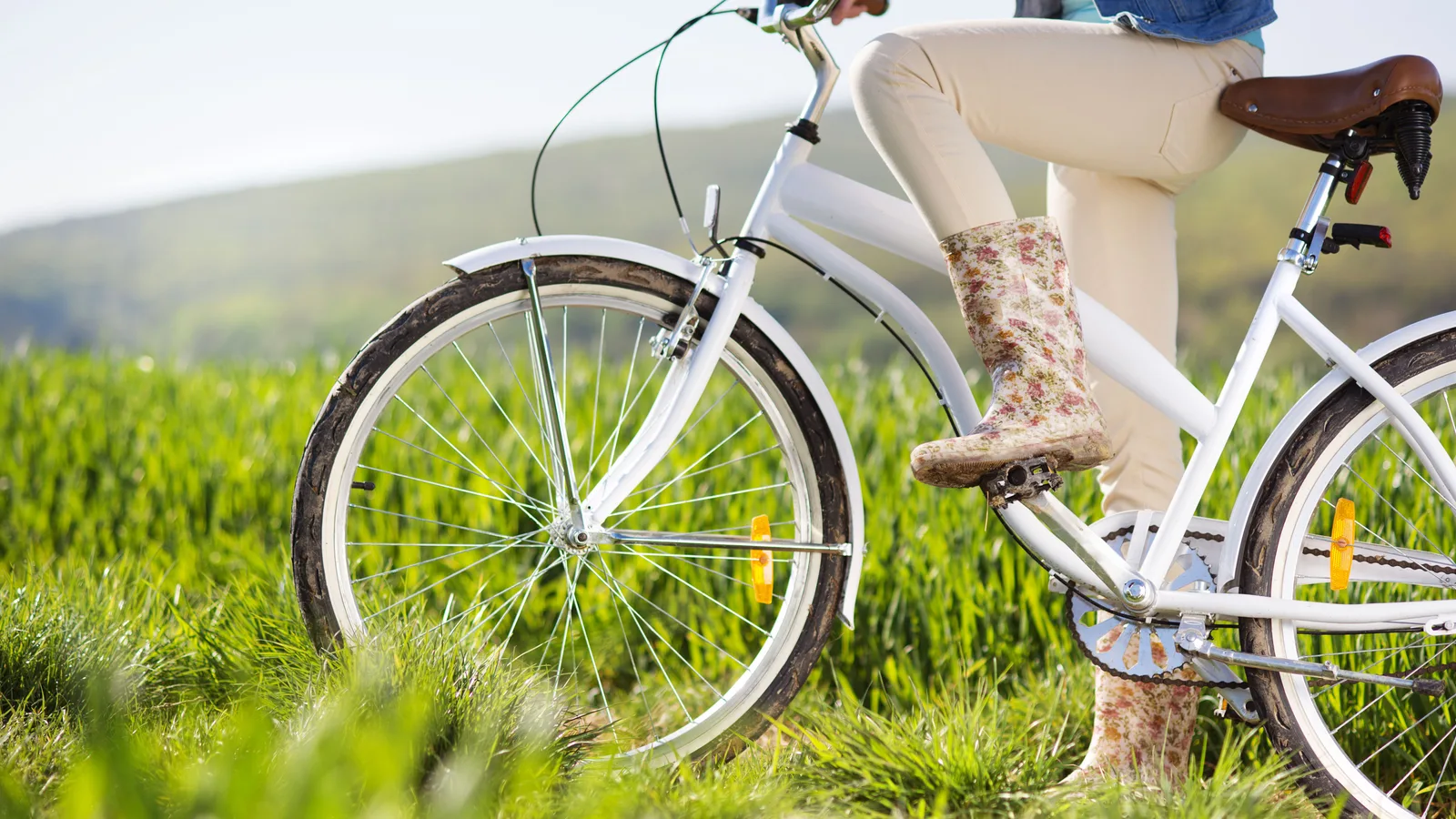
Brooks B17 review: a leather touring saddle that rewards patience with all-day comfort, who it suits, the break-in reality and what to check before buying.
Brooks B17 review: the verdict
The B17 is the saddle most people picture when they hear the name Brooks: a broad leather top stretched over steel rails, riveted at the back, with a shape that has barely changed in generations. That conservatism is the whole appeal. Nothing about it is designed to be soft; it is designed to hold its shape while it slowly takes the shape of you.
That trade is worth making for a lot of riders, and a poor one for plenty of others. This review sets out which side of the line you are likely to fall on, what the saddle is actually like to live with, and how to choose between the versions on sale.
What the B17 is and who it is aimed at
At its simplest, the B17 is a leather hammock. A thick vegetable-tanned leather top is riveted to a steel frame, tensioned by a bolt under the nose, and left unpadded. Where a modern saddle uses foam or gel to spread pressure, the B17 relies on the leather flexing under your weight and eventually developing a slight dip where your sit bones rest.
The shape is the giveaway: a wide rear with a long, tapering nose, built for riders sitting fairly upright or only moderately leaned forward. That covers commuters, tourists, audax riders and anyone on a steel tourer or hybrid with the bars roughly level with the saddle. It is not a racing shape, and it does not pretend to be.
- Construction
- Vegetable-tanned leather top riveted to steel rails, with a tensioning bolt under the nose
- Shape
- Wide rear and long nose, intended for upright to moderately leaned riding positions
- Intended use
- Touring, commuting, audax and long days rather than racing
- Main variants
- Standard, Narrow, Imperial with a cut-out channel, and the shorter S
- Break-in
- Expect a few hundred miles before the leather moulds to you
- Upkeep
- Occasional leather conditioner, a rain cover for wet days, tension checked rarely
- Weight
- Noticeably heavier than a modern synthetic saddle of similar size
Strengths and weaknesses
What it does well
- Once moulded, it supports long rides without padded shorts doing all the work
- Leather over steel lasts for years, and the tension bolt lets you take up slack as it ages
- No foam to compress or cover to split, so the fit you break in stays put
- Classic looks that suit steel tourers, commuters and audax builds
- Simple upkeep: a little conditioner and a cover are about all it asks for
Where it falls short
- The first few hundred miles can be genuinely uncomfortable
- Leather dislikes being soaked, so a bike left out in the rain is a bad match
- Noticeably heavier than a modern synthetic saddle
- Costs more than a basic saddle, and you may want to budget for conditioner and a cover
- The wide rear does not suit a long, low, stretched-out position
The weaknesses are real, but they are almost all about patience and conditions rather than design faults. A rider who commutes five days a week will break the leather in quickly without really noticing; a fair-weather rider who does one long ride a month will feel every mile of it.
How it scores on the things that matter
4.5 / 5
Comfort once broken in
The dip that forms under your sit bones gives support that padded saddles struggle to match over a full day.
2.5 / 5
Comfort out of the box
Firm and unyielding early on. Riders used to gel saddles often assume something is wrong.
5.0 / 5
Durability
Leather and steel age rather than wear out, and the tension bolt deals with slack over the years.
2.5 / 5
Wet-weather resilience
Damp roads are fine, but soaked leather softens and stretches. A cover is not optional in British weather.
2.0 / 5
Weight
Heavy by modern standards. It belongs on a bike built for comfort, not on a hill-climb build.
4.0 / 5
Value over years of use
A bigger outlay than a basic saddle, but spread over a decade of daily riding it works out cheaply.
The scores tell the story: the B17 is a poor first impression and an excellent long-term relationship. Treat the out-of-the-box score as the price of entry rather than a fault to be fixed — no amount of adjustment makes new leather feel soft.
Wet weather is the score worth taking most seriously. A leather saddle that repeatedly dries out after soaking will sag and lose shape, and no amount of conditioner brings it back completely.
Breaking it in and living with it
-
Set height and angle before you ride it properly
Get the saddle height right first, then start with the top roughly level or with the nose a hair above level. Small changes in angle make a big difference to how much you slide forward.
-
Build up mileage gradually
Start with short rides and let the leather adapt over a few weeks. Long back-to-back days on a brand-new B17 tend to produce soreness that puts people off for good.
-
Condition sparingly
A thin application of leather conditioner, left to soak in and buffed off, is enough. More is not better: over-softening the leather makes it sag and lose the shape you are trying to create.
-
Use a cover when it rains
Keep a waterproof cover under the saddle or in a bag. Damp spray from the road is harmless; a saddle left saturated for hours is not.
-
Leave the tension bolt alone unless the top sags
New saddles need no adjustment. Only take up tension when the leather visibly sags under your weight, and a quarter turn at a time.
Which B17 model to pick
| Feature | B17 Standard | B17 Narrow | B17 Imperial |
|---|---|---|---|
| Overall outline | Wide rear, long nose | Slimmer through the middle | Standard outline with a channel cut into the top |
| Riding position it suits | Upright to moderately leaned | Moderately to strongly leaned | Upright to moderately leaned |
| Cut-out for pressure relief | No | No | Yes |
| Typical rider | Commuters, tourists, audax riders | Sportier riders who move around on the saddle | Riders who feel pressure down the middle on long rides |
Beyond these three there is also the B17 S, a shorter version designed around a shorter reach to the bars and more commonly fitted to women's bikes. If you are between sizes or unsure, the Standard is the sensible starting point — it is the version most people picture and the one the leather-saddle reputation was built on.
If you already know that a wide rear rubs you on a leaned-forward bike, start with the Narrow rather than hoping the Standard will soften into shape. The leather moulds to your sit bones; it does not change its outline.
Buying advice before you spend
- Match it to your riding position, not your bike's category. A tourer with flat bars and a hybrid with swept bars are both natural B17 homes; a long, low road position usually is not.
- Budget for the accessories you will actually use. A rain cover and a tin of conditioner are part of the cost of owning a leather saddle, not optional extras.
- Check your seatpost clamp has room. The rails are conventional, but some saddlebag brackets and integrated seatposts leave little to work with. Measure before buying.
- Be wary of second-hand saddles. Leather takes the shape of the rider who broke it in, so a used B17 may fit someone else perfectly and you not at all. If a saddle has been left outside, the leather will often show it.
- Buy somewhere you can return it. Fit is personal, and no review can tell you whether the shape suits your sit bones.
Frequently asked questions
How long does a Brooks B17 take to break in?
Most riders notice a change over a few hundred miles of regular riding, and daily commuters often feel it settle within a month or two. There is no fixed mileage, and heavier riders usually get there sooner.
Do you need a special seatpost for a B17?
No. It uses conventional rails and fits standard two-bolt and single-bolt seatposts. The thing to check is whether your saddlebag bracket or clamp leaves enough exposed rail to work with.
Can the B17 get wet?
Road spray and damp conditions are fine, but avoid leaving it soaked. Use a cover in heavy rain, dry it slowly at room temperature and never ride on leather that is still saturated.
Is a leather saddle moulded to one rider?
Yes. The leather takes on the shape of the person who breaks it in, which is why a used B17 is a gamble — it may fit the previous owner perfectly and you not at all.
Can I use a B17 on a road bike?
It works on endurance and audax builds with a fairly upright position, but on a long, low, stretched-out setup the wide rear tends to rub. In that case look at the Narrow instead.