Berghaus Hillwalker Jacket Review 2026: Worth It in the Rain?
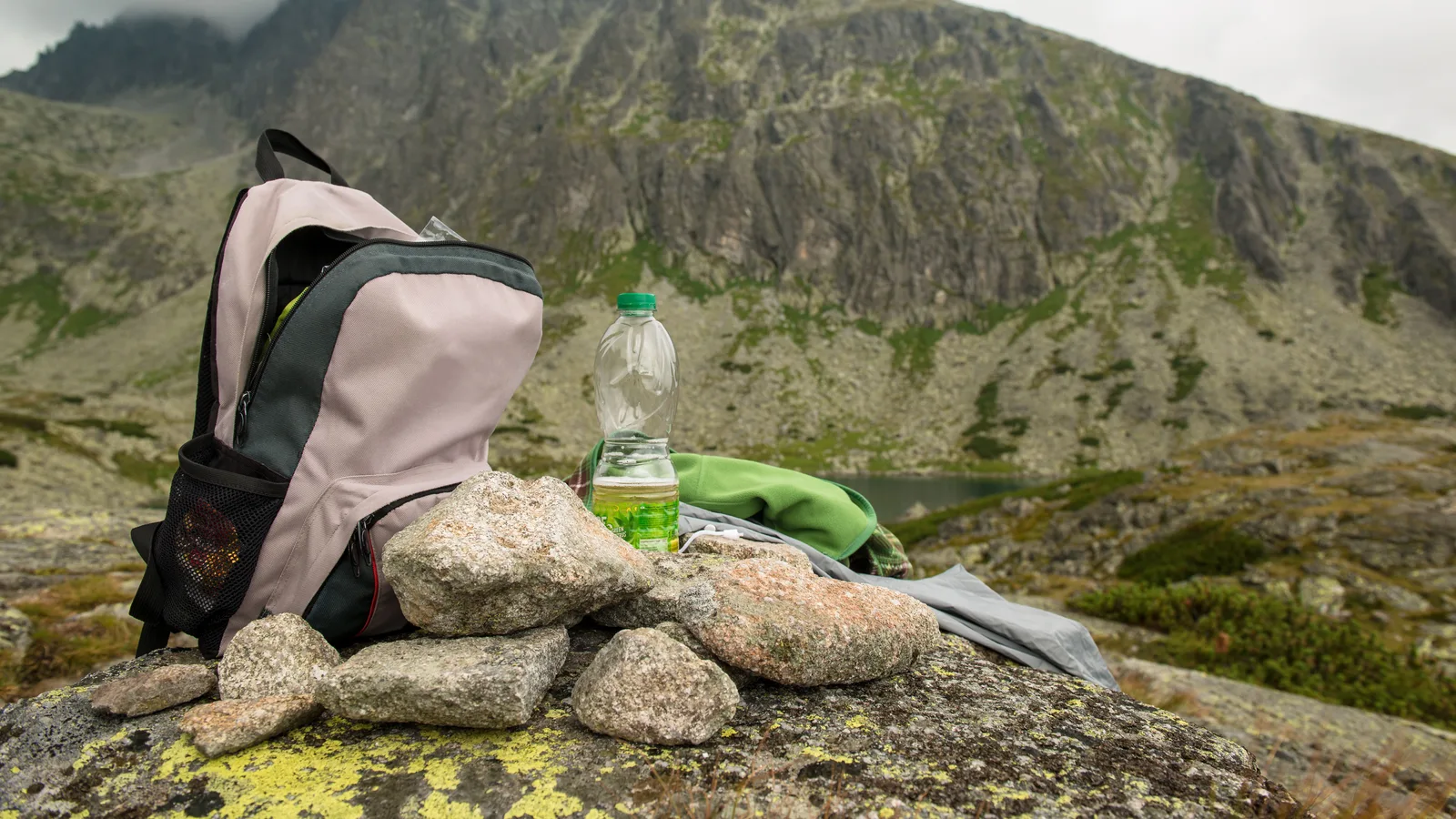
Our verdict on the Berghaus Hillwalker jacket: how it copes with British hill weather, where it falls short, and who should buy it.
What the Berghaus Hillwalker jacket actually is
The Hillwalker is Berghaus's general-purpose walking shell: a waterproof, breathable outer layer with no insulation of its own, built for the sort of weather that decides whether a day out in Britain is pleasant or miserable. You wear it over a baselayer in June and over a fleece in November, and it does the same job in both cases — keeping wind and rain off while your layers deal with warmth.
It sits in the middle of the outdoor jacket market rather than at either extreme. It isn't a stripped-back emergency shell you screw into a ball at the bottom of a pack, and it isn't an expedition jacket either. It's the one you reach for on a fell walk, a coastal path, a windy beach or the walk to the station when it's lashing down.
Two things are worth knowing before you buy. First, it comes in men's and women's versions with genuinely different patterns — don't assume the men's cut is a substitute. Second, interactive versions carry a zip that lets a compatible Berghaus mid-layer attach inside, so shell and fleece move together instead of bunching up.
- Garment type
- Waterproof, breathable walking shell — uninsulated, worn as an outer layer
- Waterproofing
- Waterproof face fabric, fully taped seams and a water-repellent finish
- Hood
- Fixed, adjustable hood with a peak; volume and depth adjusters
- Pockets
- Zipped hand pockets — check the current season's layout for a chest or inner pocket
- Adjustability
- Adjustable cuffs and a drawcord hem to seal out weather
- Layering system
- Interactive (IA) versions zip to compatible Berghaus mid-layers
- Fits available
- Men's and women's versions, cut to take a mid-layer underneath
- Best for
- Three-season hillwalking, coastal and countryside walks, everyday wet-weather wear
Our verdict: a dependable jacket for British hill weather
The Hillwalker's appeal is that it doesn't ask much of you. Pull it on over whatever you're wearing, cinch the hood, and you're equipped for the sort of drizzle that soaks through a fashion jacket in ten minutes. That sounds like a low bar, but plenty of jackets sold as waterproof don't clear it.
Where it gives ground is on weight and packability. This is a walking jacket built to be worn, not a featherweight shell built to disappear into a running vest. If your days out are long, fast and sweaty, there are lighter options that breathe better. If they're steady walks with a stop for lunch, the Hillwalker's more generous cut and sturdier build are the better trade.
Strengths and weaknesses
What it does well
- Proper waterproof construction — taped seams and a water-repellent face fabric, not the shower-resistant finish you get on a fashion jacket
- The hood adjusts in more than one direction, so it turns with your head and keeps rain off your face in a crosswind
- Uninsulated design makes it genuinely versatile: baselayer in mild weather, fleece underneath when it turns cold
- Interactive zip on IA versions means one shell can serve several seasons with a compatible Berghaus mid-layer
- Men's and women's patterns, so the fit isn't a compromise between two body shapes
Where it falls short
- No warmth of its own — in cold, still weather you'll want a mid-layer underneath or you'll feel the chill
- Heavier and bulkier than a lightweight summer shell, which shows on fast, humid days
- The water-repellent finish is the first thing to go; once the face fabric wets out, the jacket feels clammy even though it isn't leaking
- Adjusters take a bit of fiddling with cold or gloved hands before the hood sits right
Read that list as a description of a workhorse rather than a compromise. The strengths are all about reliability in ordinary British conditions — rain that arrives sideways, wind that finds every gap, temperatures that never quite settle. The weaknesses are the ones you accept when a jacket is designed to be worn all day rather than carried all day.
How it performs where it counts
4.5 / 5
Weather protection
A proper waterproof shell with taped seams and an adjustable hood — the sort of jacket you trust on an exposed ridge in horizontal rain.
3.5 / 5
Breathability
Fine at a steady walking pace with a light pack. If you run hot or move fast uphill, a lighter shell with more venting will suit you better.
4.0 / 5
Hood and coverage
Adjustable volume and depth keep it in place in wind, and the peak shields your face. Test it with your usual hat on before you commit.
3.5 / 5
Packability
Rolls into a daypack without drama, but it's a worn jacket rather than a just-in-case shell you can squeeze into a side pocket.
4.0 / 5
Versatility
Hill, coast path, dog walk and the school run all work. The interactive zip stretches one jacket across more of the year.
4.0 / 5
Durability
Built for regular outdoor use. The water-repellent finish ages before the fabric does, and it can be renewed at home.
Waterproofing is where the Hillwalker justifies itself. Taped seams and a water-repellent face fabric are the difference between a jacket that handles an hour of steady rain and one that merely survives a shower. Keep the outer fabric clean and its finish topped up and it will keep doing that for years.
Breathability is the area to think about honestly. A shell keeps rain out by being a barrier; the fabric's breathability moves some moisture away, but it can't outrun a hard climb. If you know you sweat heavily, plan your layers around it — a thin wicking baselayer underneath makes a bigger difference than any jacket upgrade.
The hood is the detail that separates a walking jacket from a jacket that happens to be waterproof. A hood that lifts in the wind or drags your head round when you turn leaves you walking with one hand holding it down. This one adjusts to sit close and stay put, which matters more than most spec-sheet numbers.
Fit, sizing and layering
The Hillwalker is cut to be worn over something. That means a little room through the chest and shoulders compared with a jacket you'd wear over a t-shirt, and sleeves long enough to cover your wrists when you reach up. If you try it on over a thin top and find it slightly loose, that's the design working as intended.
Layer it like this:
- Mild and wet: a thin wicking baselayer under the shell. Anything more and you'll overheat on the climb.
- Cold and wet: baselayer, fleece or synthetic mid-layer, then the shell. This is the Hillwalker's natural territory.
- Cold, dry and still: the shell alone won't keep you warm. Wear the mid-layer as your outer and save the jacket for the wind and rain.
If you're between sizes, size for the layers you'll actually wear rather than for how it looks over a t-shirt. A jacket that's tight across the shoulders with a fleece underneath is miserable on a long day, and the adjustment at the hem and cuffs won't fix it.
What to check before you buy
-
Take your usual mid-layer to the fitting
Layer up in the shop or try it at home over the fleece you actually walk in. The jacket should close easily without compressing the insulation or billowing like a sail.
-
Set up the hood before you decide
Adjust the volume and depth, put your hat on, and turn your head side to side. If you can't get the peak to sit clear of your eyes, that's a reason to look elsewhere.
-
Work out whether you need the interactive zip
If you already own a compatible Berghaus mid-layer, the IA version makes sense — the two layers stop riding up against each other. If you don't, you're buying a feature you'll never use.
-
Try the women's version if you're near a size boundary
The men's and women's patterns differ in shoulder width, sleeve length and hem. Trying both takes ten minutes and often settles the question.
-
Check the returns window
Fit is the one thing you can't judge from a description. Buy somewhere that lets you try it over your own layers at home and send it back if it doesn't work.
-
Compare prices across a few retailers
Waterproof jackets are discounted regularly through the year and older colourways often sell for less. A quick check before you commit is rarely wasted.
One last thing on colours: if the jacket will double as everyday wear, a darker or more muted version hides mud splatter and looks less out of place in town. Bright colourways are easier to spot on a hillside in low cloud, so the answer depends on which job the jacket will do most often.
Looking after it so it keeps working
Most complaints about waterproof jackets that "aren't waterproof any more" are really about the water-repellent finish on the outside. When that wears off, the face fabric soaks up water, the jacket feels cold and clammy, and moisture inside can't escape — even though the membrane underneath is still intact.
Keep on top of it:
- Wash the jacket when it gets grimy or starts wetting out. Dirt, sweat and sunscreen clog the finish.
- Use a technical cleaner rather than normal washing powder, and never use fabric softener.
- Tumble dry on a low heat, or follow the care label — gentle warmth reactivates the water-repellent finish.
- Reproof with a spray-on or wash-in product when water stops beading on the surface.
- Store it loosely on a hanger rather than compressed at the bottom of a bag for months.
Frequently asked questions
Is the Berghaus Hillwalker jacket properly waterproof or just shower-resistant?
It's designed as a waterproof shell, with taped seams and a water-repellent finish on the outer fabric. That's a different class of garment from a shower-resistant fashion jacket. Check the swing tag on the version you're buying for the current fabric specification.
Can I wear it in summer?
Yes, as a rain layer over a thin baselayer. It has no insulation, so warmth comes from what you wear underneath. On hot, humid days a lighter and more packable shell will be more comfortable.
What should I wear underneath it?
A wicking baselayer, plus a fleece or synthetic mid-layer when it's cool. On interactive versions the mid-layer zips into the jacket, which keeps the two from bunching up as you walk.
How often should I wash it?
Wash it when it looks grimy or starts wetting out rather than to a fixed schedule — sweat and dirt stop the outer fabric from shedding water. Use a technical cleaner, skip fabric softener, and dry it on a low heat.
Is it smart enough for wearing around town?
It's a walking jacket rather than a commuter coat: the hood is generous and the cut is roomy to allow for layers. Fine for the walk to the station or the dog walk, less so if you want something tailored.