Gravel Bike vs Road Bike 2026: Which Should You Buy?
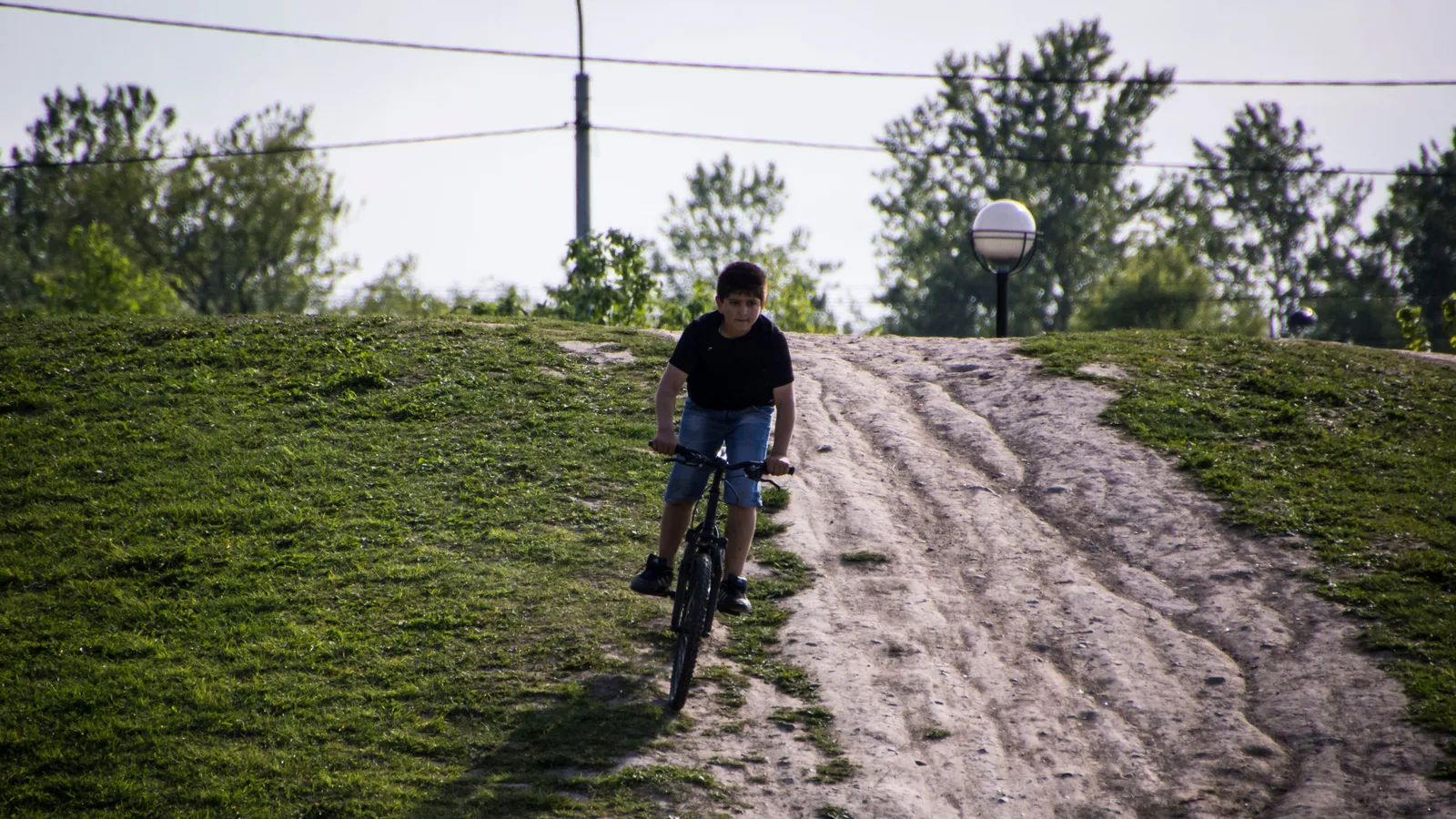
Gravel or road? We compare tyres, gearing, comfort and pace to help you choose the right bike for British lanes, towpaths and club runs.
The short answer: gravel bike for most riders
Most riders shopping for one bike to cover British lanes, canal towpaths, gravel tracks and the daily commute are better served by a gravel bike. It is the overall winner because it can handle smooth tarmac and rough surfaces without changing bikes, while a road bike is built around one job: going quickly on tarmac.
That does not make the road bike the wrong choice. If your riding is mostly fast club runs, sportives and smooth roads, a road bike is lighter, quicker and more rewarding. The decision turns on where you actually ride, not which category sounds more adventurous.
How gravel and road bikes differ
| What matters | gravel bike | road bike |
|---|---|---|
| Tyres and clearance | Wide clearance and treaded tyres; can run smoother tyres for road use | Narrower, smoother tyres for low rolling resistance on tarmac |
| Riding position | More upright and stable, with room to relax on long mixed-surface rides | Lower and longer for aerodynamic efficiency and power transfer |
| Gearing | Lower gears and wide-range setups for steep, loose or loaded climbs | Closer ratios for steady cadence and speed on smooth roads |
| Brakes | Disc brakes are the norm, with room for mud and wider tyres | Disc brakes are common, though older road bikes may use rim brakes |
| Weight and pace | Usually heavier and a little slower to accelerate on tarmac | Usually lighter and quicker on smooth roads |
| Comfort on rough surfaces | Wider tyres and a more forgiving ride take the edge off bumps | Tauter ride; comfort depends on tyre width and frame design |
| Load carrying | More mounts for mudguards, racks and bikepacking kit | Fewer mounts on race models; some road bikes accept guards and racks |
| Handling | Stable and sure-footed; slower to turn in tight, fast corners | Sharper steering and a more eager feel on tarmac |
| Best surface | Tarmac, towpaths, gravel tracks and rough country lanes | Smooth tarmac, fast club runs and sportives |
These are tendencies, not laws. A relaxed road bike with wider tyres can handle light gravel, and a gravel bike with slick tyres can feel quick on tarmac. The gap is widest when the surface turns loose, steep or muddy.
Gravel bike: who should choose it
Strengths of a gravel bike
- One bike can cover commuting, towpaths, gravel tracks and road rides
- Wider tyres and a stable position build confidence on rough lanes
- Lower gearing helps on steep climbs and when carrying luggage
- Mounts for mudguards, racks and bikepacking bags are common
- Comfort is less punishing on long days over mixed surfaces
Trade-offs to accept
- Noticeably slower than a road bike on smooth tarmac
- Usually heavier, especially at lower price points
- Handling is less sharp for fast road corners
- Some models are overbuilt for riders who stay on tarmac
Choose a gravel bike if your typical ride includes a mix of surfaces, or if you want to commute on rough tarmac and take a towpath detour without worrying about tyres. It is also the more sensible choice for riders who value comfort and load-carrying over pace on tarmac.
Road bike: who should choose it
Strengths of a road bike
- Quicker and more efficient on smooth tarmac
- Lighter feel for acceleration and climbing
- Sharper handling for fast corners and group rides
- A lower, aerodynamic position suits sustained speed
- Simpler, road-focused design with fewer unnecessary mounts
Trade-offs to accept
- Less comfortable on rough lanes and long gravel sections
- Narrower tyre clearance limits surface choice
- Lower gearing may feel hard on steep, loaded climbs
- Fewer mounts for racks, mudguards and bikepacking kit
- Can feel nervous on loose surfaces
Choose a road bike if the vast majority of your riding is on good tarmac and you want the bike to feel fast, light and direct. It is the right tool for club runs, sportives and training rides where pace and efficiency matter most.
The details that decide it
Tyre clearance is the biggest fork in the road. A gravel bike with room for wider treaded tyres can be ridden on towpaths and gravel tracks that would rattle a road bike. A road bike with tight clearance limits you to smooth surfaces, even if the frame is comfortable.
Gearing matters more than weight on hilly rides. Gravel bikes usually offer a wider range with a lower easiest gear, which helps on steep, loose climbs and when you are carrying luggage. Road bikes favour closer ratios for steady speed on tarmac.
Mounts decide whether the bike works for commuting. If you need mudguards, a rack or bikepacking bags, check the frame and fork before you buy. Some fast gravel bikes have fewer mounts than you would expect.
Position affects comfort and confidence. A more upright gravel position is easier on long mixed-surface days; a lower road position is more efficient when you are pushing on tarmac. Neither is better in every situation.
Buying advice for British riders
British lanes are often narrow, gritty and wet, so mudguard clearance and disc brakes matter more than they do on a dry summer sportive. If you commute, check for rack mounts and a geometry that lets you see over traffic. If you ride towpaths, look for tyres with some tread and enough clearance to fit a wider tyre in winter.
Gravel bikes are not automatically slow, and road bikes are not automatically fragile. Tyre choice, fit and gearing change the feel more than the category label. Budget for a second set of wheels or tyres if you want one bike to do both jobs well.
Final verdict
The gravel bike is the overall winner for most riders because it covers more of the riding most people actually do: commuting, rough lanes, towpaths, gravel tracks and steady road rides. It is the more forgiving, more versatile choice, and it can be made quicker with road tyres.
The road bike remains the better choice for riders who care most about speed on smooth tarmac. If you rarely leave good asphalt and want the lightest, sharpest ride, buy the road bike. For everyone else, the gravel bike is the safer, more useful buy.
Common questions
Can I fit road tyres to a gravel bike?
Often yes, provided the wheels and tyre widths are compatible. A second wheelset with road tyres is a practical way to make a gravel bike quicker on tarmac.
Are gravel bikes slower than road bikes on tarmac?
Generally yes, because wider, treaded tyres and a more upright position add drag and weight. Fitting smoother tyres narrows the difference.
Do road bikes work on canal towpaths?
They can on smooth, dry towpaths, but narrow tyres and limited clearance make rougher or muddy sections uncomfortable and more fragile. A gravel bike is the more suitable tool.
What gearing should I look for on a gravel bike?
Look for a wide-range setup with a low enough easiest gear for steep, loose climbs. If you carry luggage or ride hilly routes, lower gearing matters more than close ratios.
Is a gravel bike good for commuting?
Often yes, especially if your route mixes tarmac with rough lanes or paths. Check for mudguard and rack mounts, and make sure the position lets you see over traffic.
Can you race a gravel bike on the road?
You can, but it is not the natural choice for road racing; a road bike is lighter and more aerodynamic. Gravel bikes are better suited to mixed-surface events and endurance rides.